


Announcement
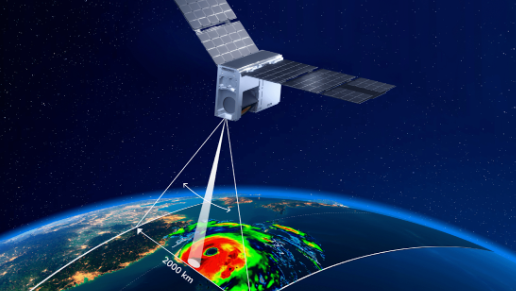
NESDIS will host a Commercial Data Program Industry Day on April 9, 2026 from 1:00–2:30 p.m. ET to discuss how NOAA is expanding its partnerships with private satellite companies.
Announcement
Heather Roman-Stork, an ocean scientist working with NOAA NESDIS’ Center for Satellite Applications and Research (STAR), has been selected as the 2026 winner of NOAA’s David S. Johnson Award.
Announcement
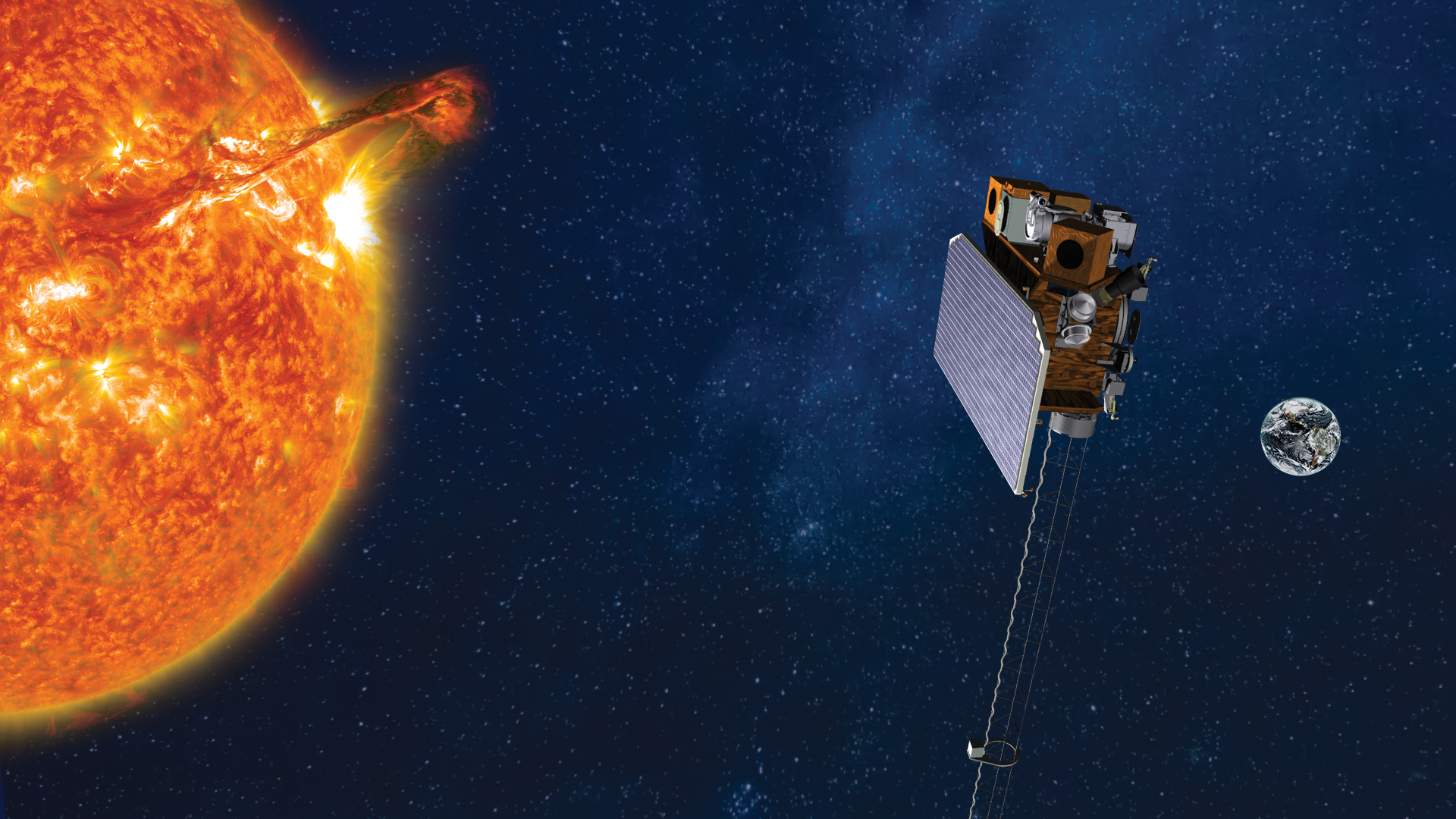
On January 23, 2026, NOAA’s Space Weather Follow On – Lagrange 1 (SWFO-L1) observatory executed its final engine burn, successfully entering its final orbital position at Lagrange point 1.
Satellite Snapshots
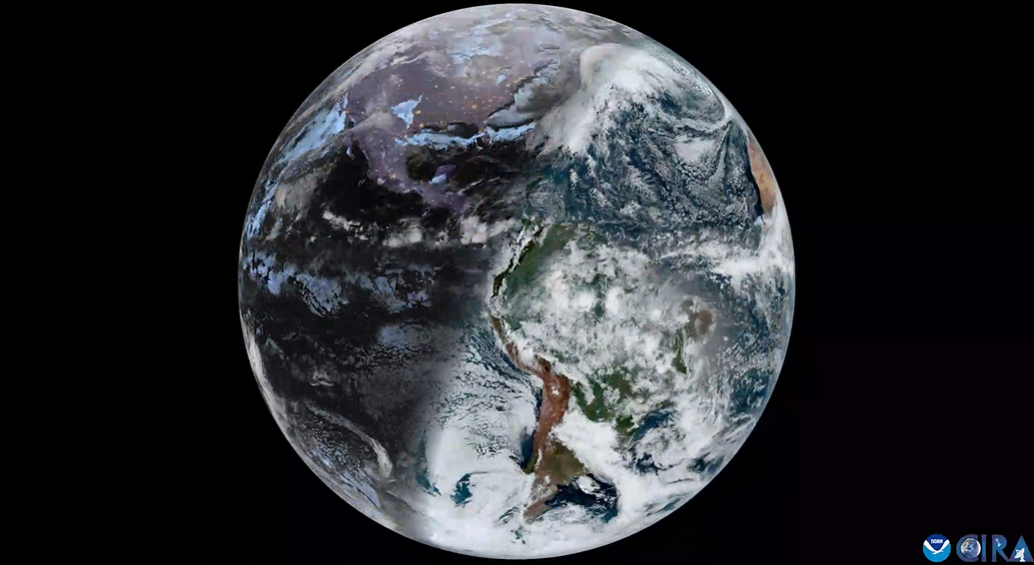
NOAA’s satellites allow us to see how Earth’s tilt drives changes in sunlight and seasons.
Announcement
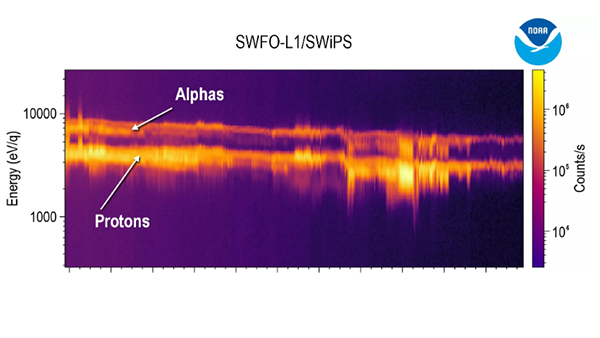
The Solar Wind Plasma Sensor (SWiPS) onboard the Space Weather Follow On – Lagrange 1 (SWFO-L1) observatory is now sending back data.
Announcement

The Magnetometer (MAG) onboard the Space Weather Follow On – Lagrange 1 (SWFO-L1) observatory is performing well and has begun sending magnetic-field data back to Earth.
Announcement
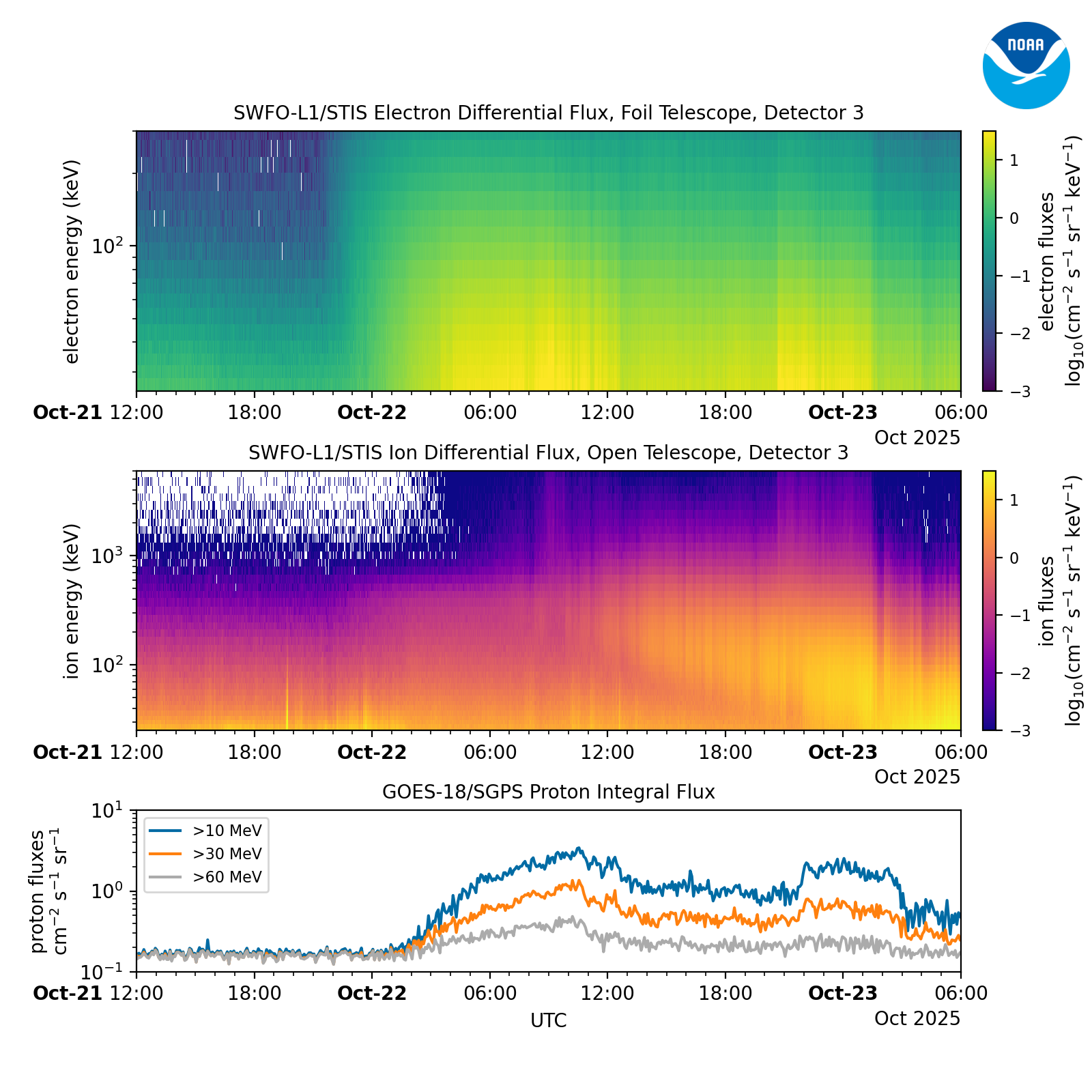
The Suprathermal Ion Sensor (STIS) onboard NOAA's Space Weather Follow On – Lagrange 1 (SWFO-L1) observatory, began sending particle measurements back to Earth on September 30, 2025.
Announcement
On September 18, 2025, the National Oceanic and Atmospheric Administration (NOAA) signed an Other Transaction Authority (OTA) agreement with Raytheon for the Critical Design Review (CDR) study of a weather imagery prototype mission that will mature…