


Satellite Snapshots
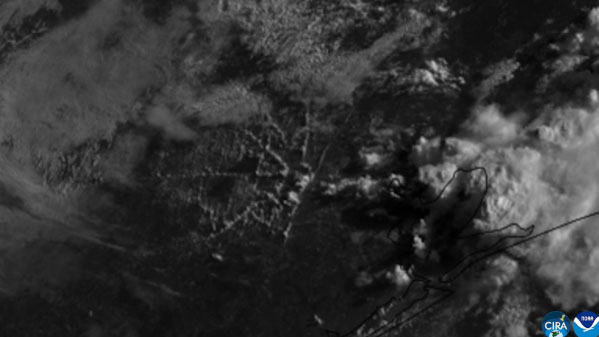
A NOAA satellite captured imagery of a rare phenomenon where clouds formed directly above roadways in Houston, Texas.
Feature Story
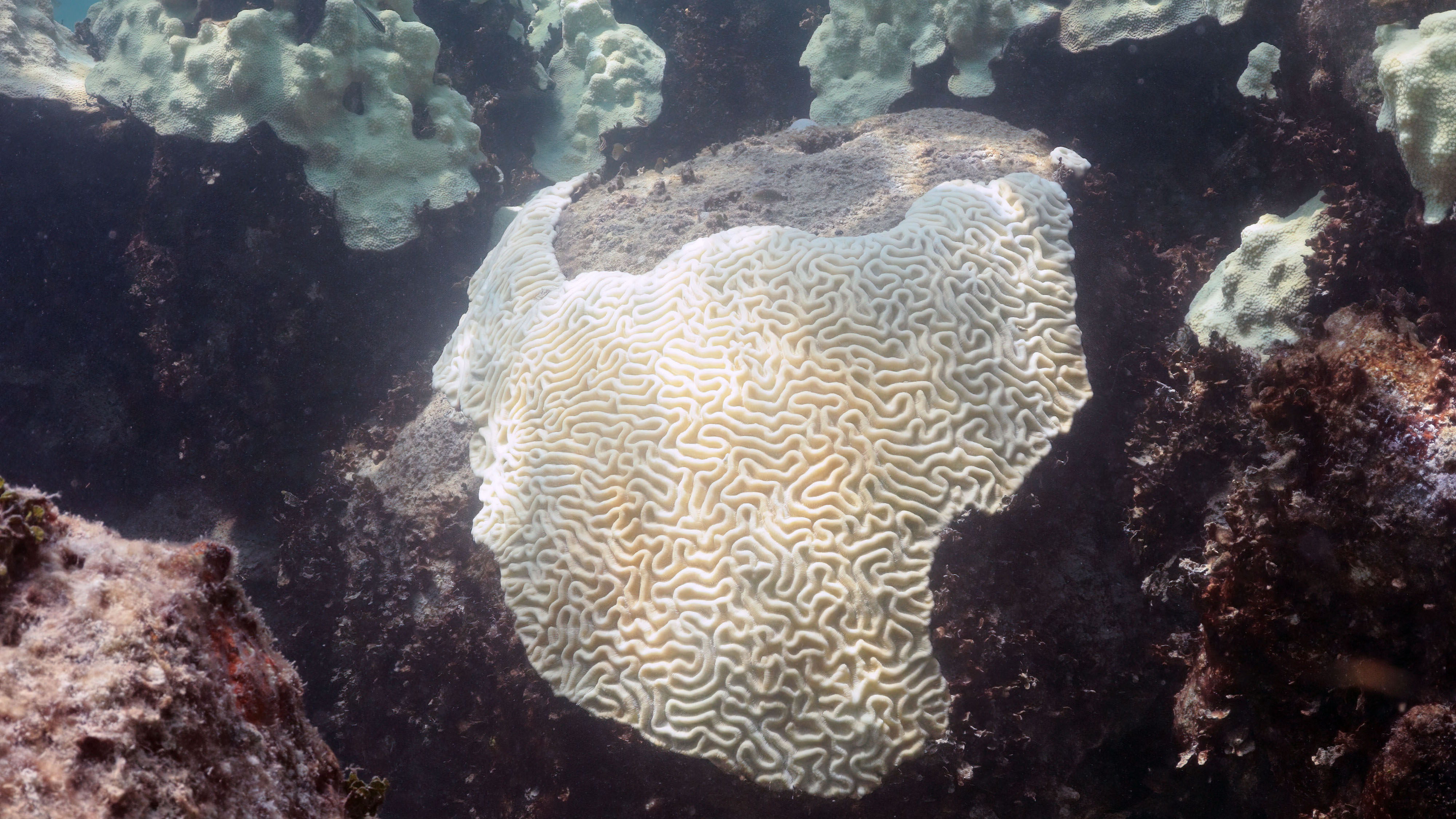
NOAA experts have determined that the fourth global coral bleaching event likely concluded in mid-2025 following unprecedented heat stress across the world’s coral reefs.
Feature Story
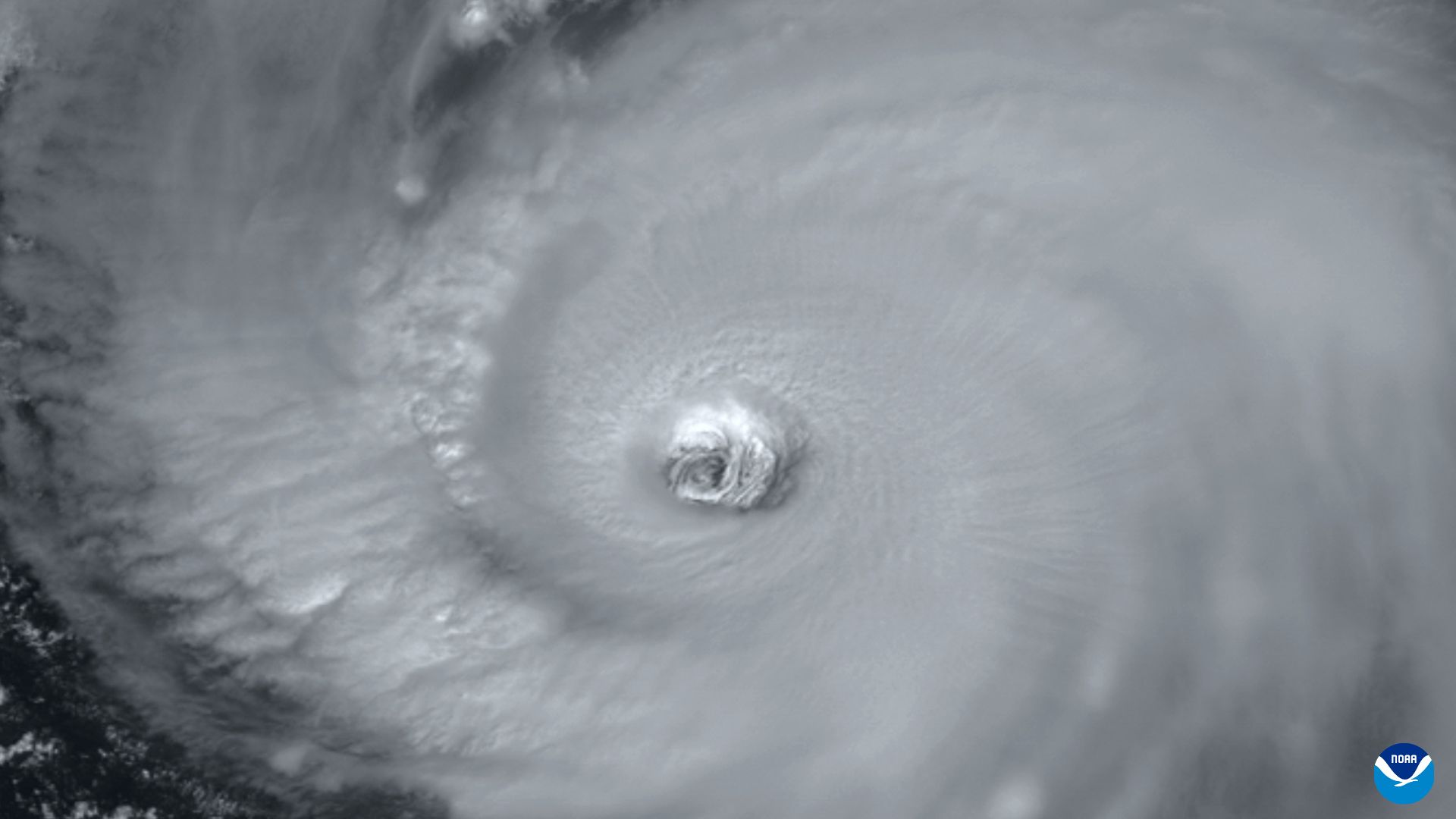
NOAA satellites aided with forecasting and response when the remnants of Typhoon Halong hit southwestern Alaska on October 12, 2025, bringing destructive winds and flooding.
Announcement
The NOAA/NESDIS Commercial Data Program (CDP) annual Industry Day informed the private sector of opportunities to support NOAA’s weather observation and prediction mission on Apr 24, 2026.
Feature Story

NOAA, in partnership with NASA and private industry, is developing a state-of-the-art solar sail that uses sunlight for propulsion to position space weather instruments closer to the sun.
Announcement
On April 28, 2026, the NESDIS Commercial Data Program issued a broad Request for Proposals for the Space-Based Environmental Monitoring Indefinite Delivery, Indefinite Quantity acquisition vehicle.
Announcement
On April 28, 2026, (NESDIS) Commercial Data Program (CDP) issued a request for proposals to purchase near-real-time global navigation satellite system radio occultation (GNSS-RO) data.
Feature Story
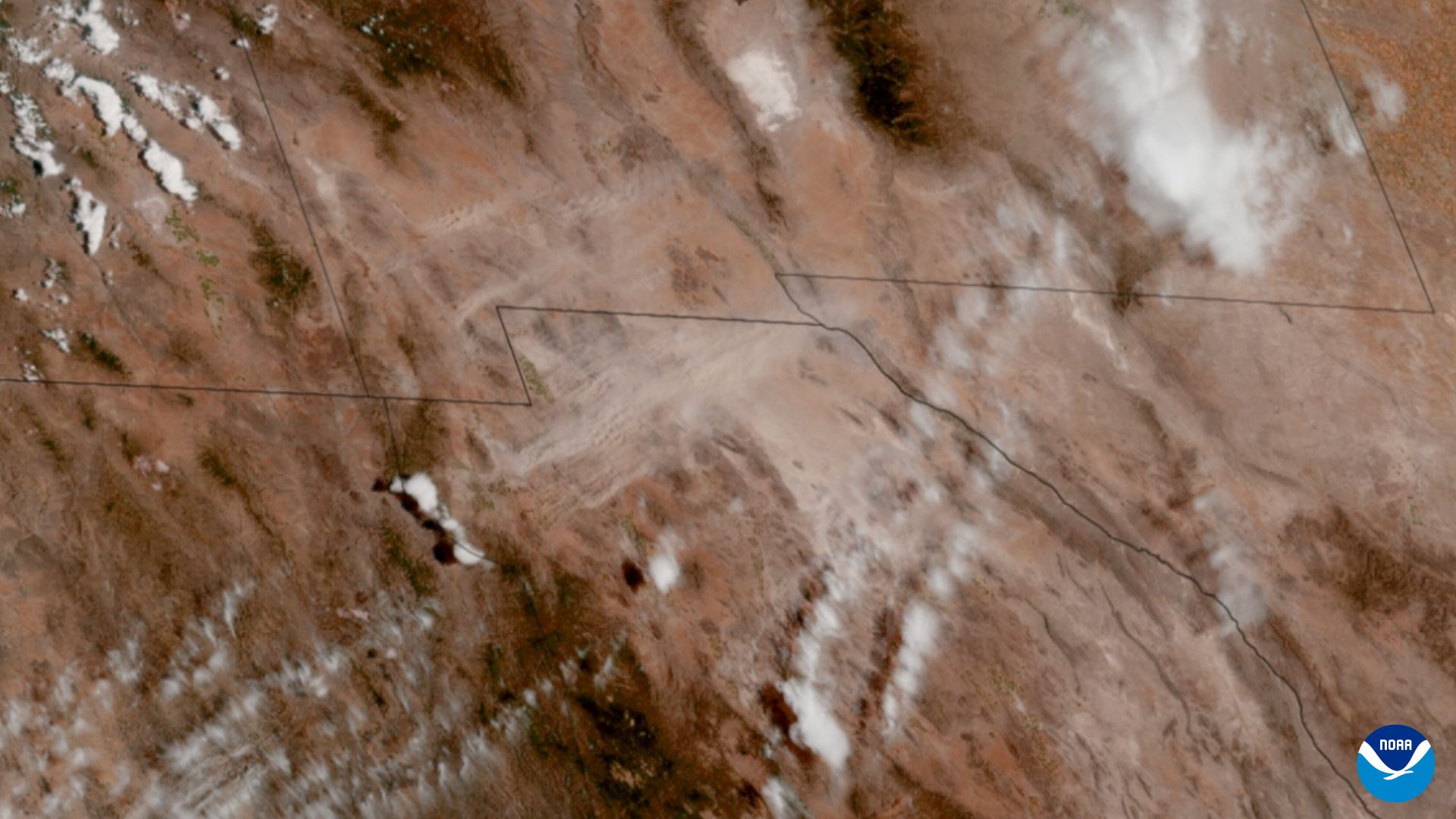
Scientists and forecasters are gaining better insights into how hazardous dust storms occur across southwestern North America thanks to NOAA satellites.