


Feature Story

NOAA’s Space Weather Follow On – Lagrange 1 (SWFO-L1) satellite has arrived at the Astrotech Space Operations Facility in Titusville, Florida and will undergo final testing and preparations in anticipation of its launch from NASA’s Kennedy Space…
Announcement

his video offers an exclusive look at the dedicated operations team behind NOAA’s Space Weather Follow On - Lagrange 1 (SWFO-L1) mission.
Feature Story

NOAA’s Space Weather Follow On - Lagrange 1 (SWFO-L1) observatory, the first NOAA satellite fully dedicated to continuous, operational space weather observations, has arrived in Florida in preparation for its Fall 2025 launch.
Feature Story

On July 14, 2000, one of the most powerful solar events of the space age erupted from the sun, which became known as the Bastille Day Solar Event.
Feature Story

Human space exploration in the U.S. took another major step forward this spring in preparing for space weather risks.
Feature Story
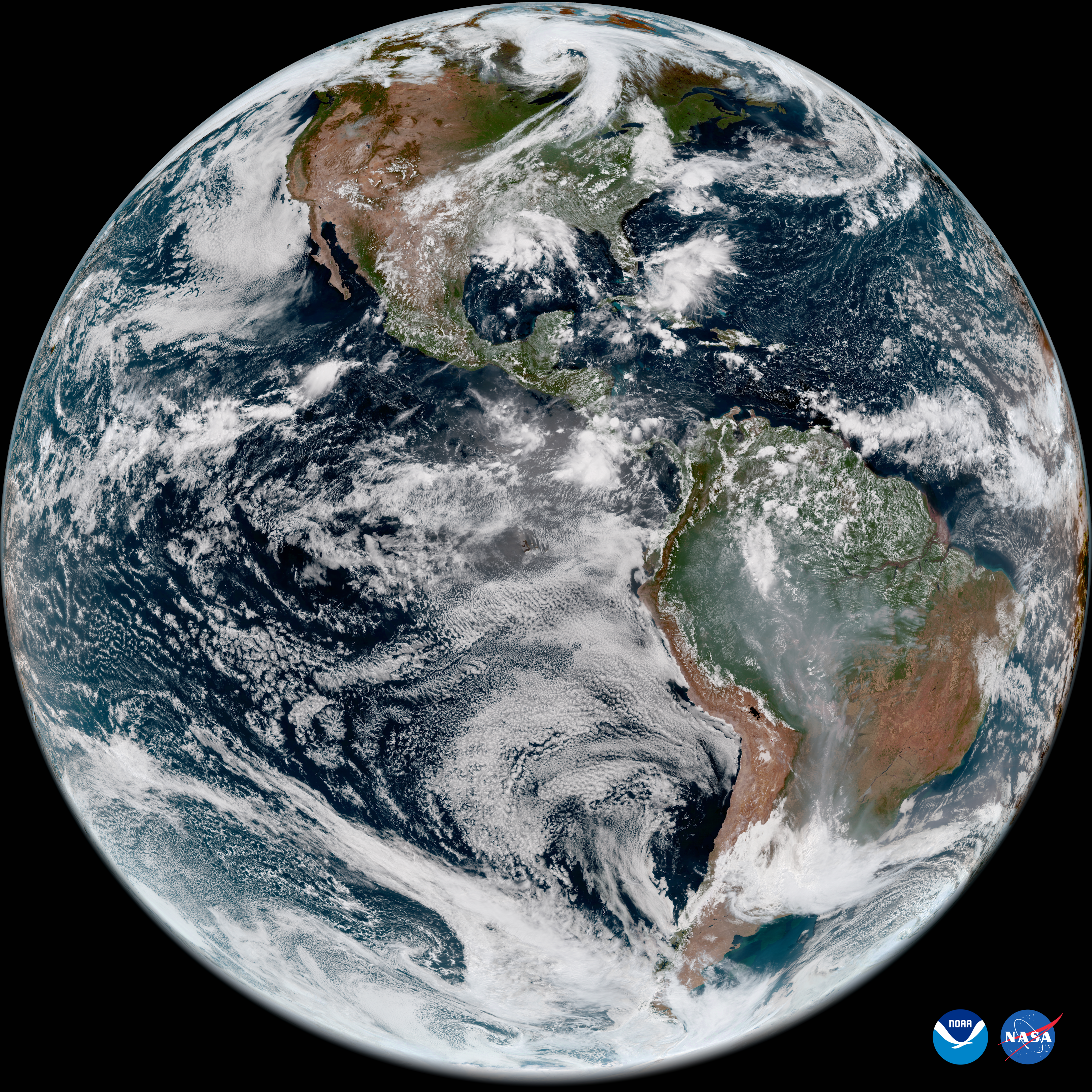
On June 25, 2024, GOES-U, the final satellite in NOAA’s GOES-R Series, launched from NASA’s Kennedy Space Center in Florida.
Feature Story

NOAA contributes 90% of the weather information used by the defense and intelligence communities. Satellites offer a view unrivaled by terrestrial technology.
Feature Story

The JPSS VIIRS Day/Night Band, with its low-light sensitivity, captures auroras and shows how solar particles interact with Earth’s atmosphere.