


Feature Story

DSCOVR successfully launched on February 11, 2015 from Cape Canaveral, Florida. It took the satellite just over 100 days to reach its final orbit at L
Feature Story
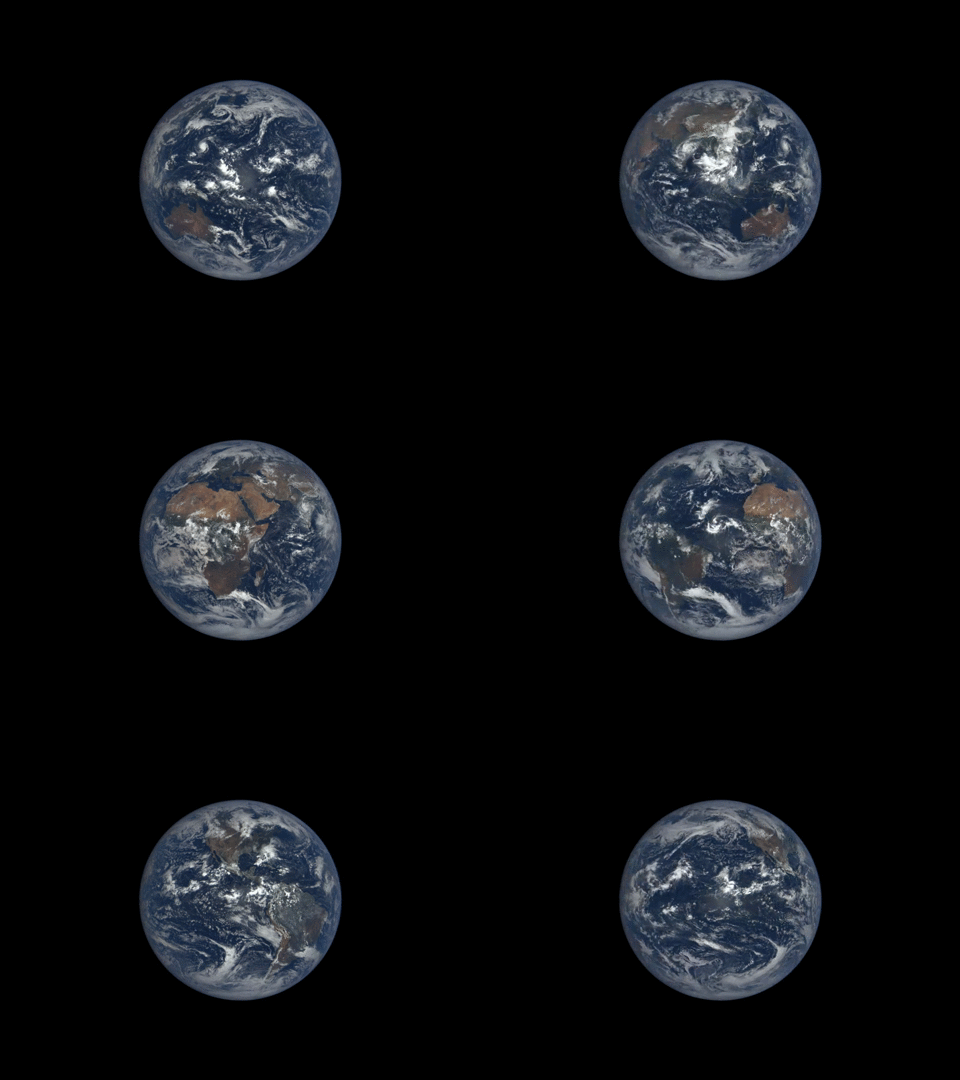
NASA launched a new website Monday so the world can see images of the full, sunlit side of the Earth every day. The images are taken by a NASA camera
Feature Story

The 1859 Carrington Even crippled a large portion of the telegraph, similar event today would have a much more severe impact.
Feature Story
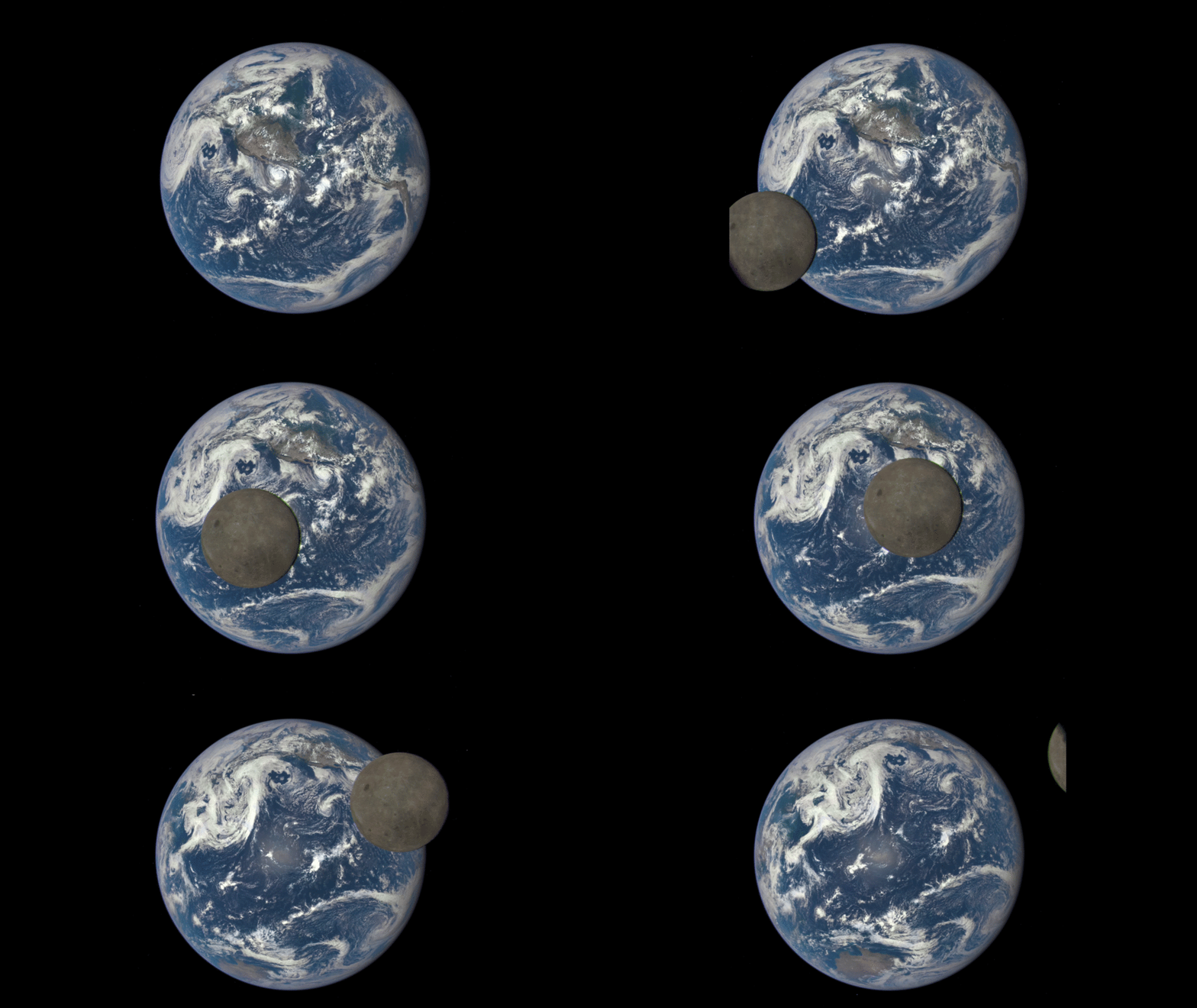
A NASA camera aboard the Deep Space Climate Observatory (DSCOVR) satellite captured a unique view of the moon as it moved in front of the sunlit side
Feature Story

A NASA camera on the Deep Space Climate Observatory (DSCOVR) satellite has returned its first view of the entire sunlit side of Earth from one million
Feature Story
On June 20, 2013, NASA's Solar Dynamics Observatory spacecraft captured this coronal mass ejection (CME). A solar phenomenon that can send billions of
Feature Story

NOAA’s Deep Space Climate Observatory (DSCOVR) satellite has reached its orbit position about one million miles from Earth.
Feature Story

In just 12 days after it launched, NOAA's DSCOVR satellite has reached the halfway mark to the L1 position. In 12 days, DSCOVR has traveled approximat