


Feature Story
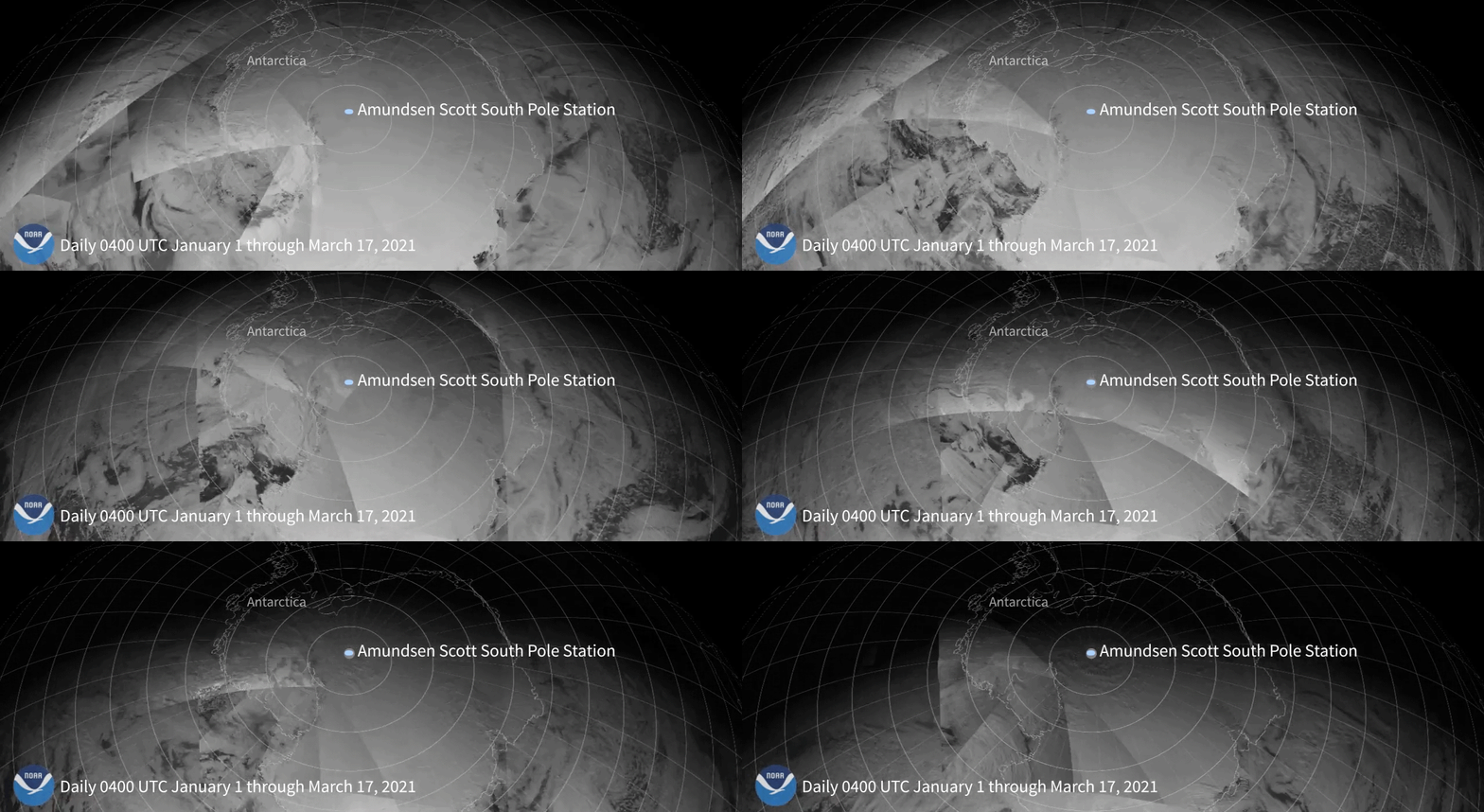
Tomorrow, March 20, researchers at the U.S. Amundsen-Scott South Pole Station in Antarctica will watch the sun set for the…
Satellite Snapshots
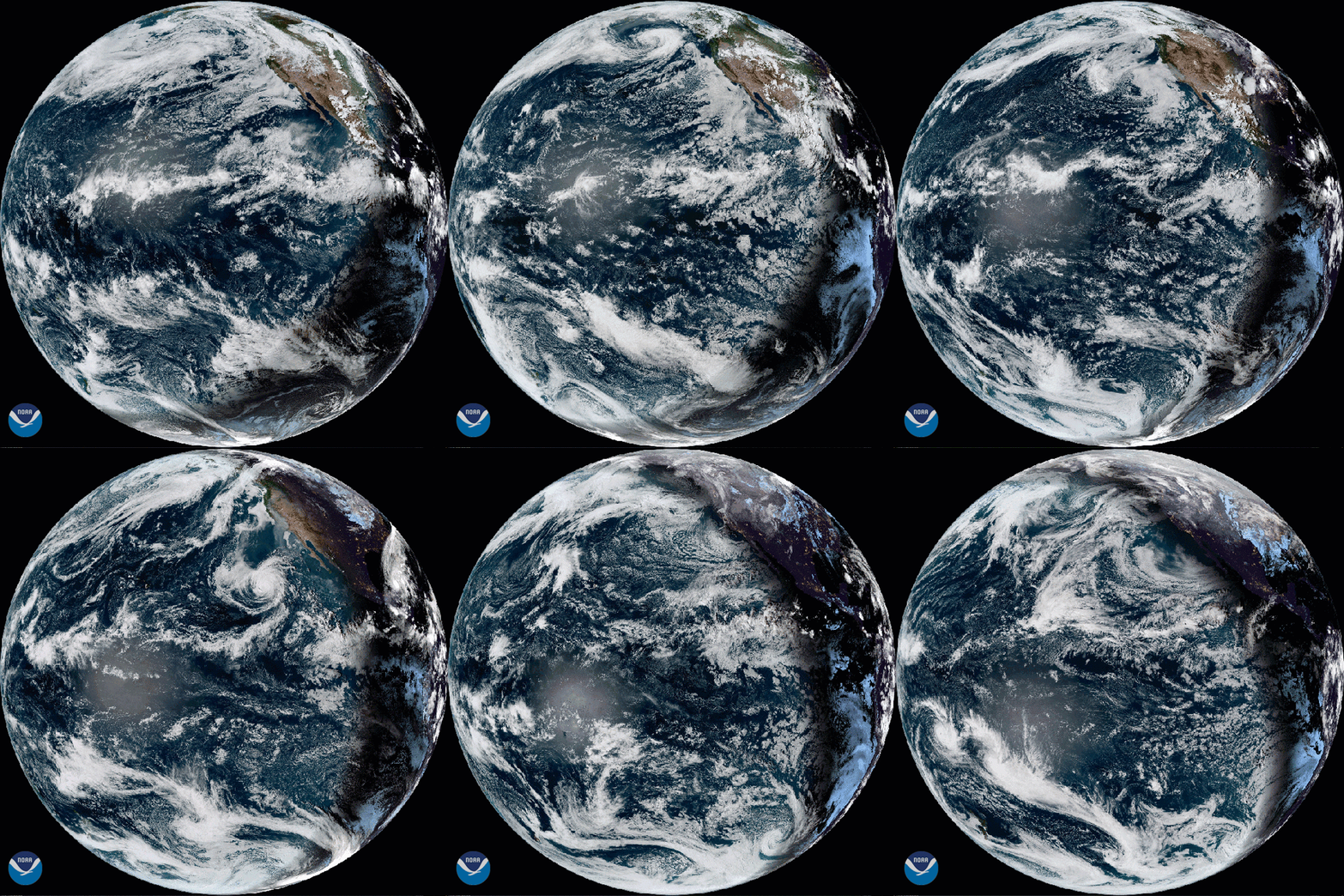
The winter solstice took place at 5:02 a.m. EST today, and will be closely followed by the Great Conjunction, the closest that Jupiter and Saturn will
Feature Story
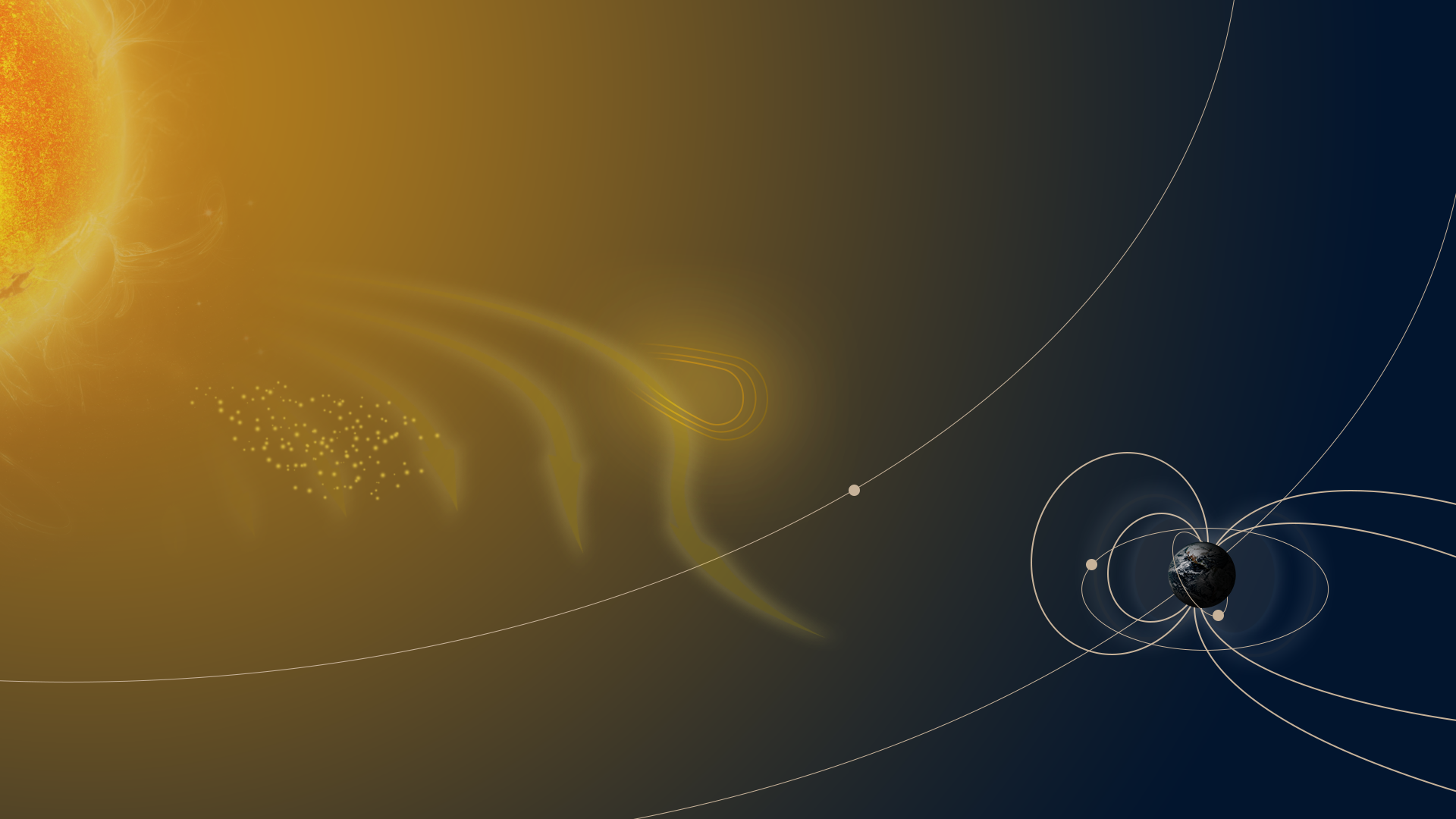
As an agency, NOAA’s science isn’t just limited to Earth and its atmosphere. NOAA’s reach goes…
Feature Story

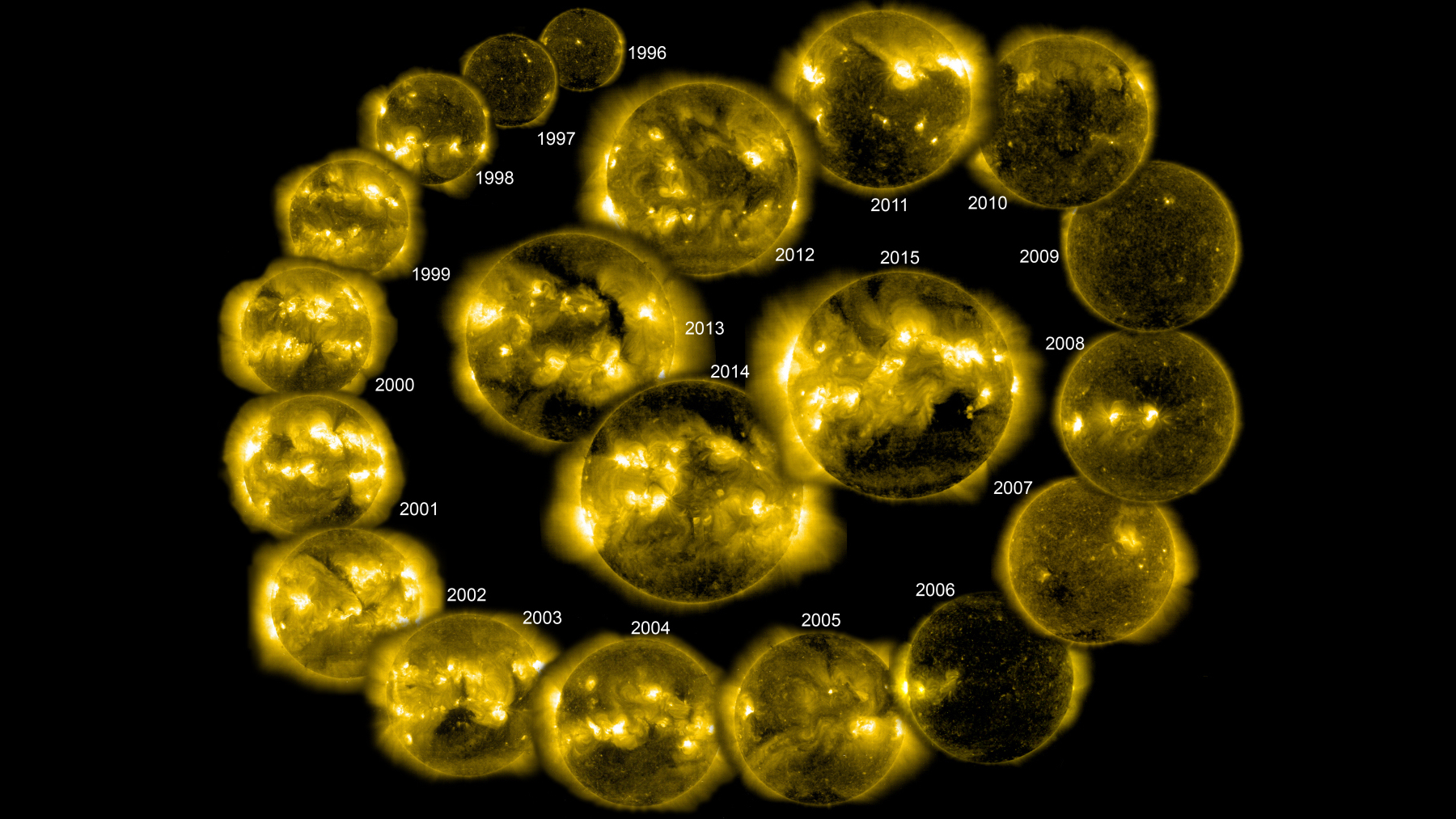
The Sun is Earth’s nearest star—a giant orb of hydrogen and helium about 93 million miles away. To many people, it looks…
Feature Story
Over the course of the Sun’s 11-year solar cycle, the star goes through a period of increased and decreased activity…
Satellite Snapshots
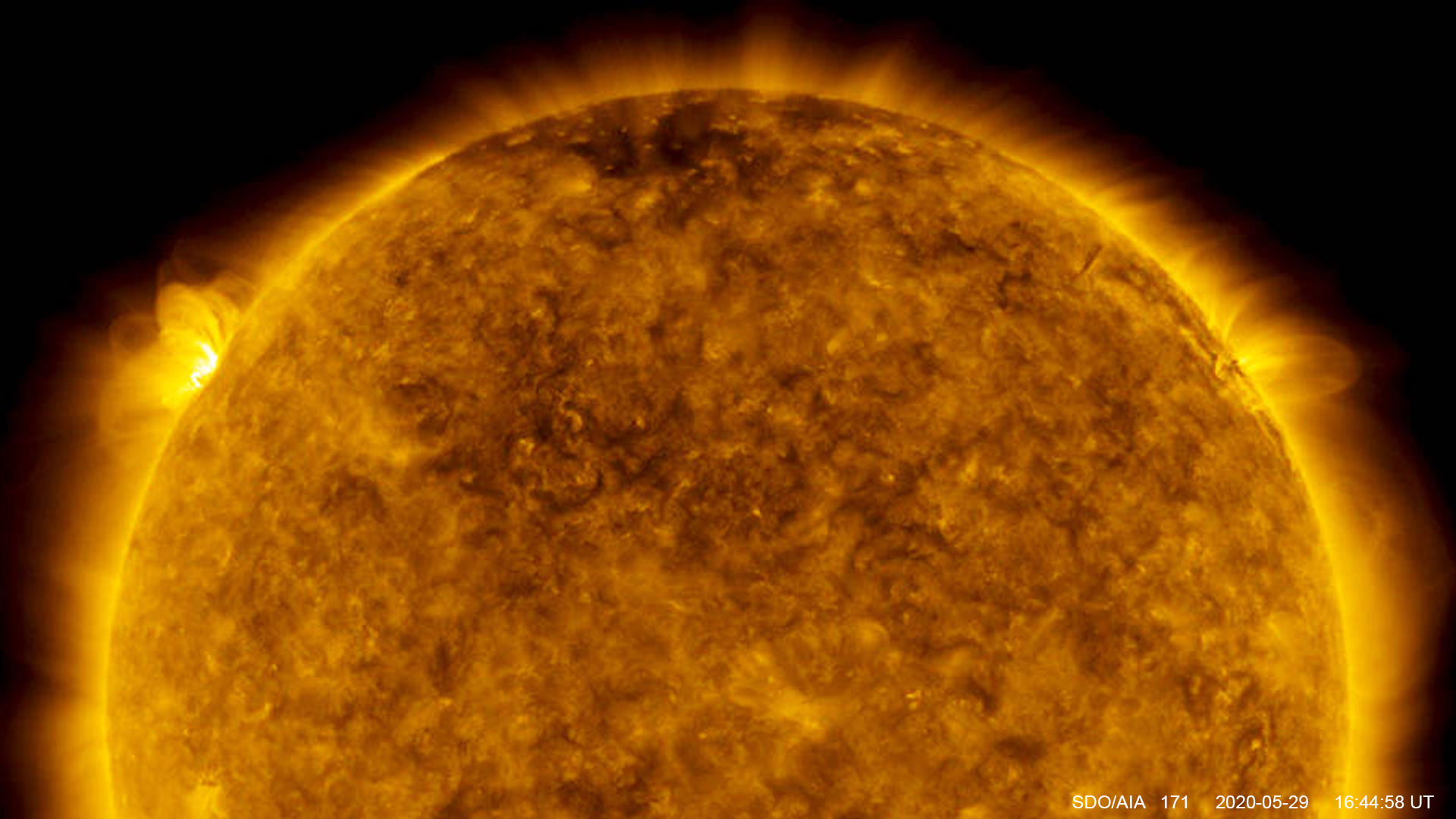
On May 29, 2020, NASA's Solar Dynamics Observatory captured the largest solar flare since October 2017.
Satellite Snapshots
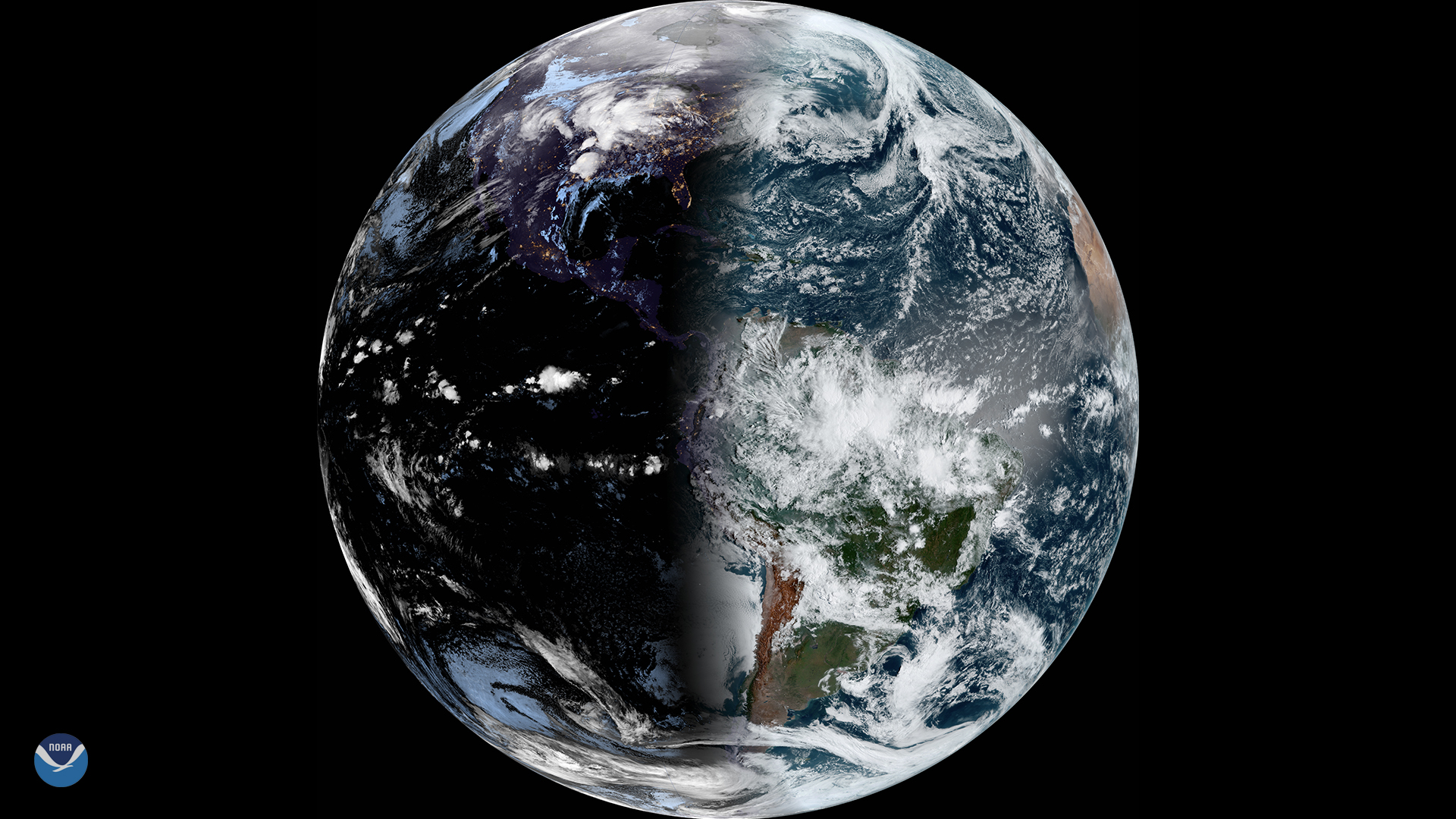
This year, the vernal equinox occurs on March 19, 2020. The last time it occurred this early was in 1896.
Satellite Snapshots
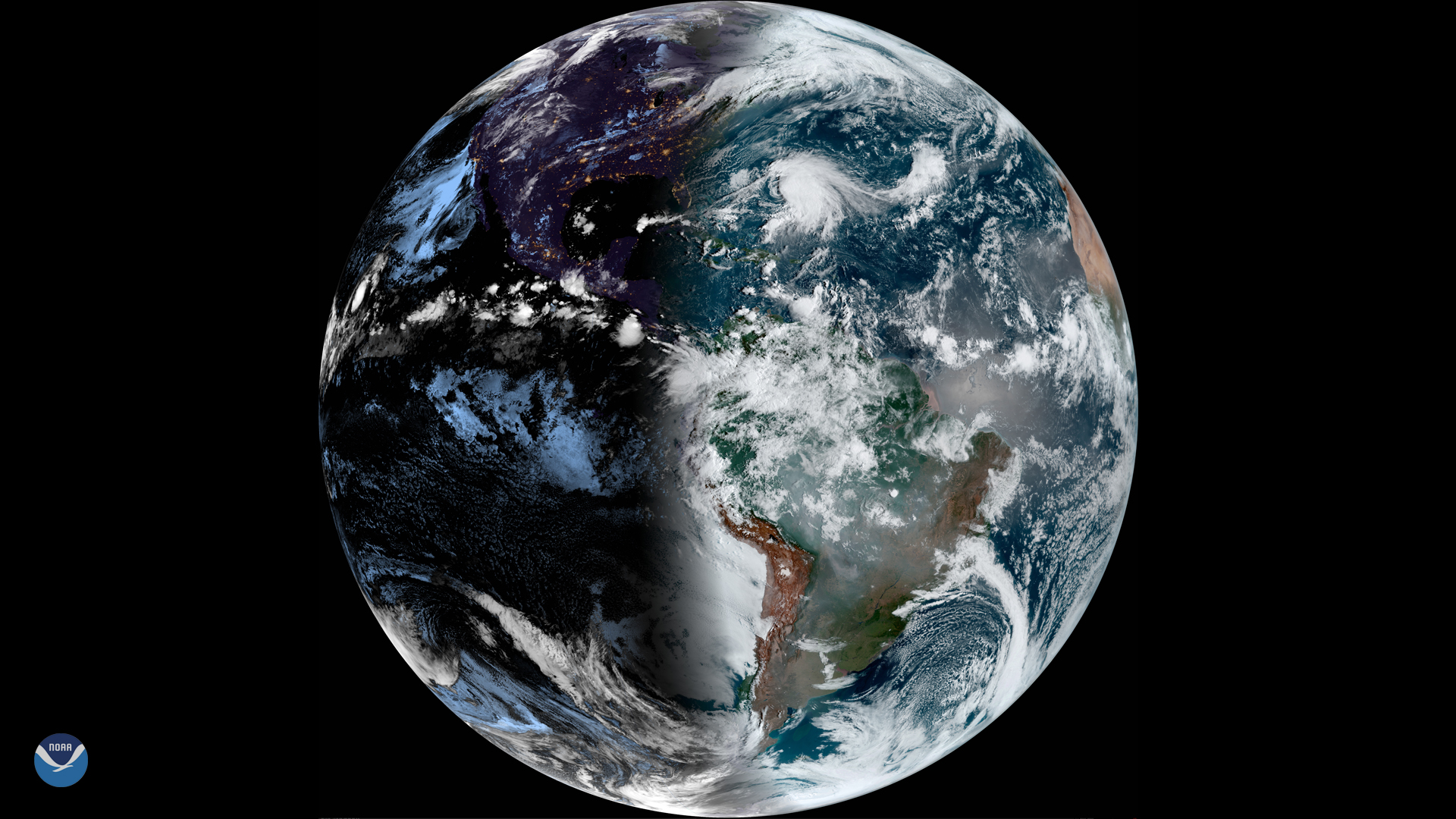
In 2019, the official start of fall—the Autumnal Equinox—was Monday, Sept. 23 at 3:50 a.m. EDT.