


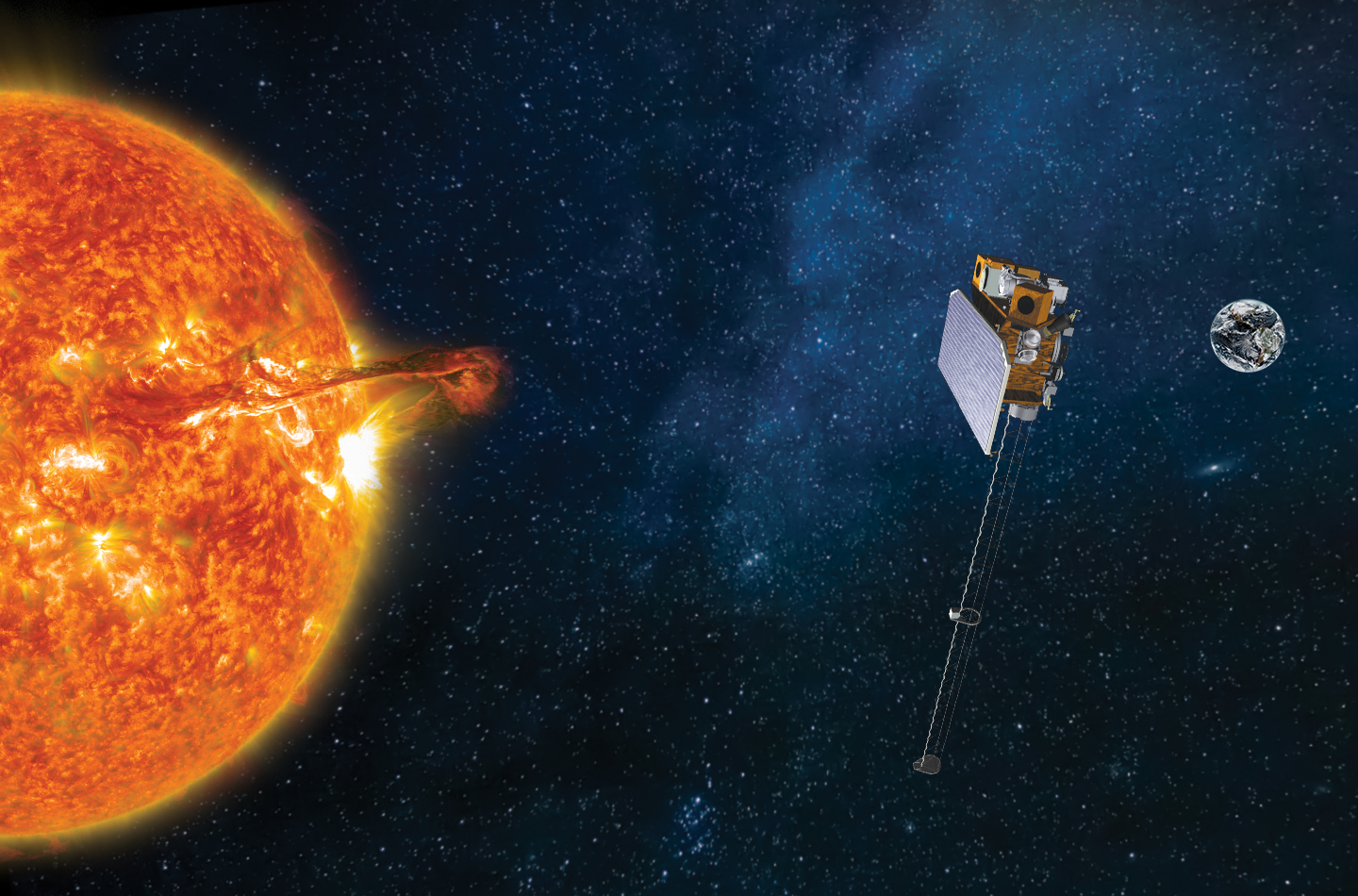
NOAA’s SOLAR-1 observatory has officially entered operational service, marking a major milestone for the nation’s resilience to space weather events.
Feature Story
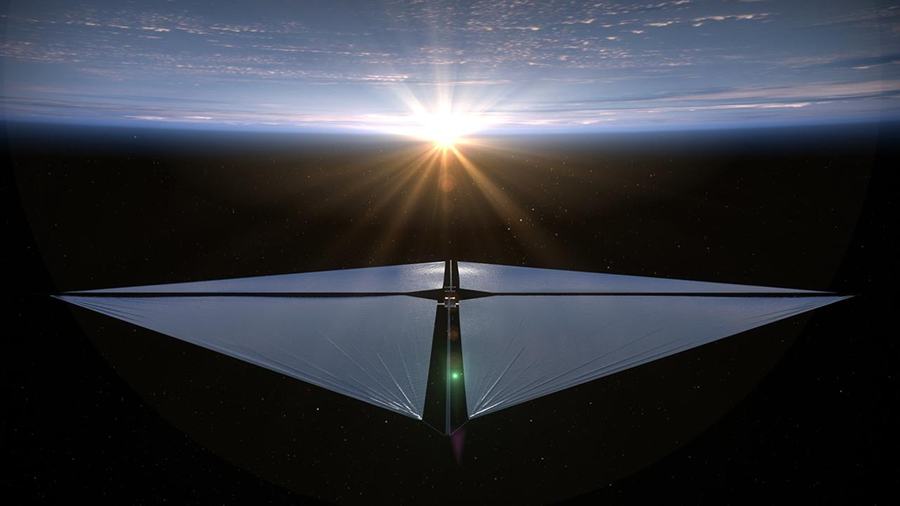
NOAA, in partnership with NASA and private industry, is developing a state-of-the-art solar sail that uses sunlight for propulsion to position space weather instruments closer to the sun.
Feature Story

Artemis II is planned as a 10-day crewed mission around the moon that marks humanity’s return to lunar orbit. NOAA's space weather monitoring will help protect the astronauts from solar radiation.
Announcement
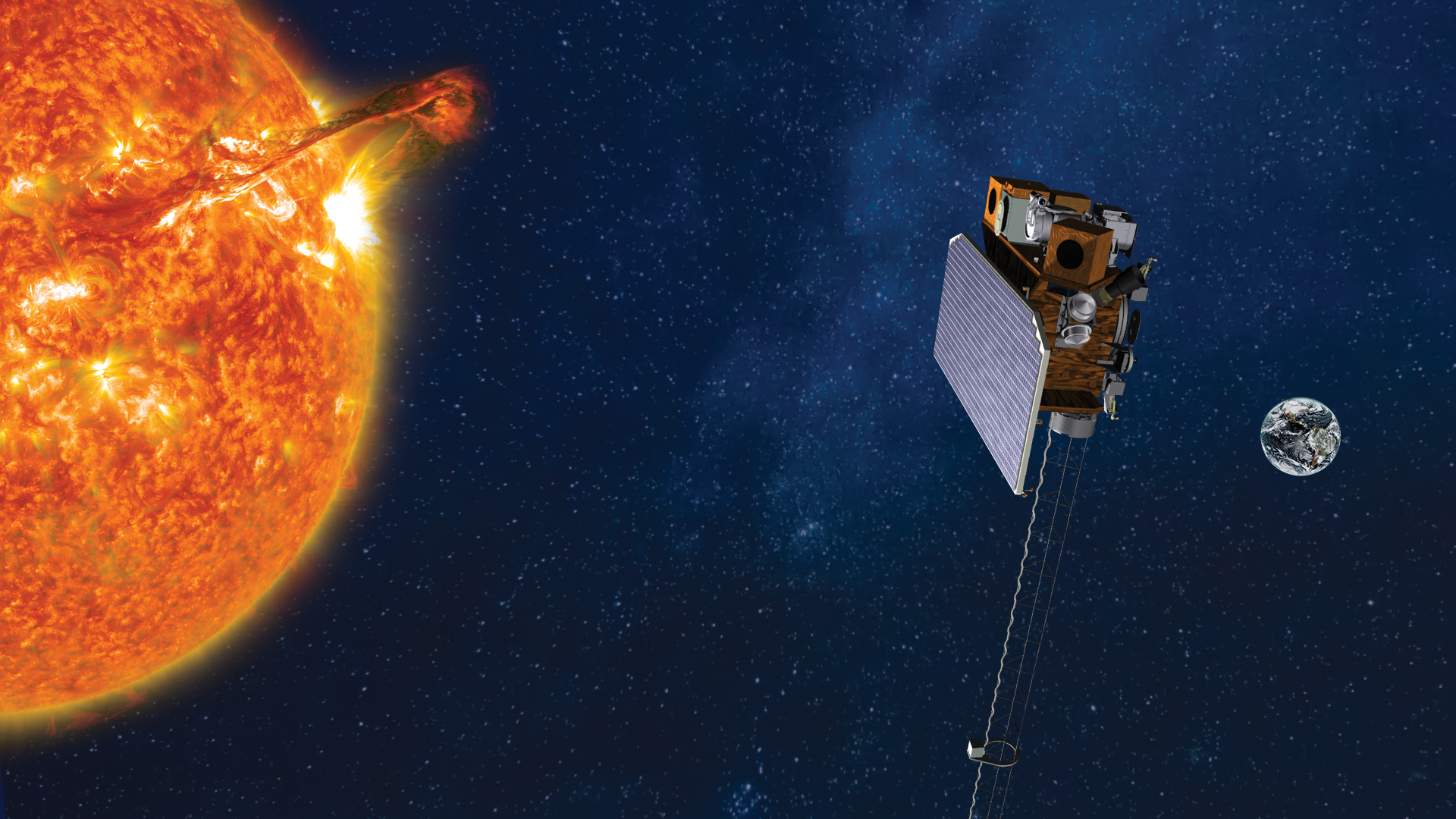
On January 23, 2026, NOAA’s Space Weather Follow On – Lagrange 1 (SWFO-L1) observatory executed its final engine burn, successfully entering its final orbital position at Lagrange point 1.
Satellite Snapshots
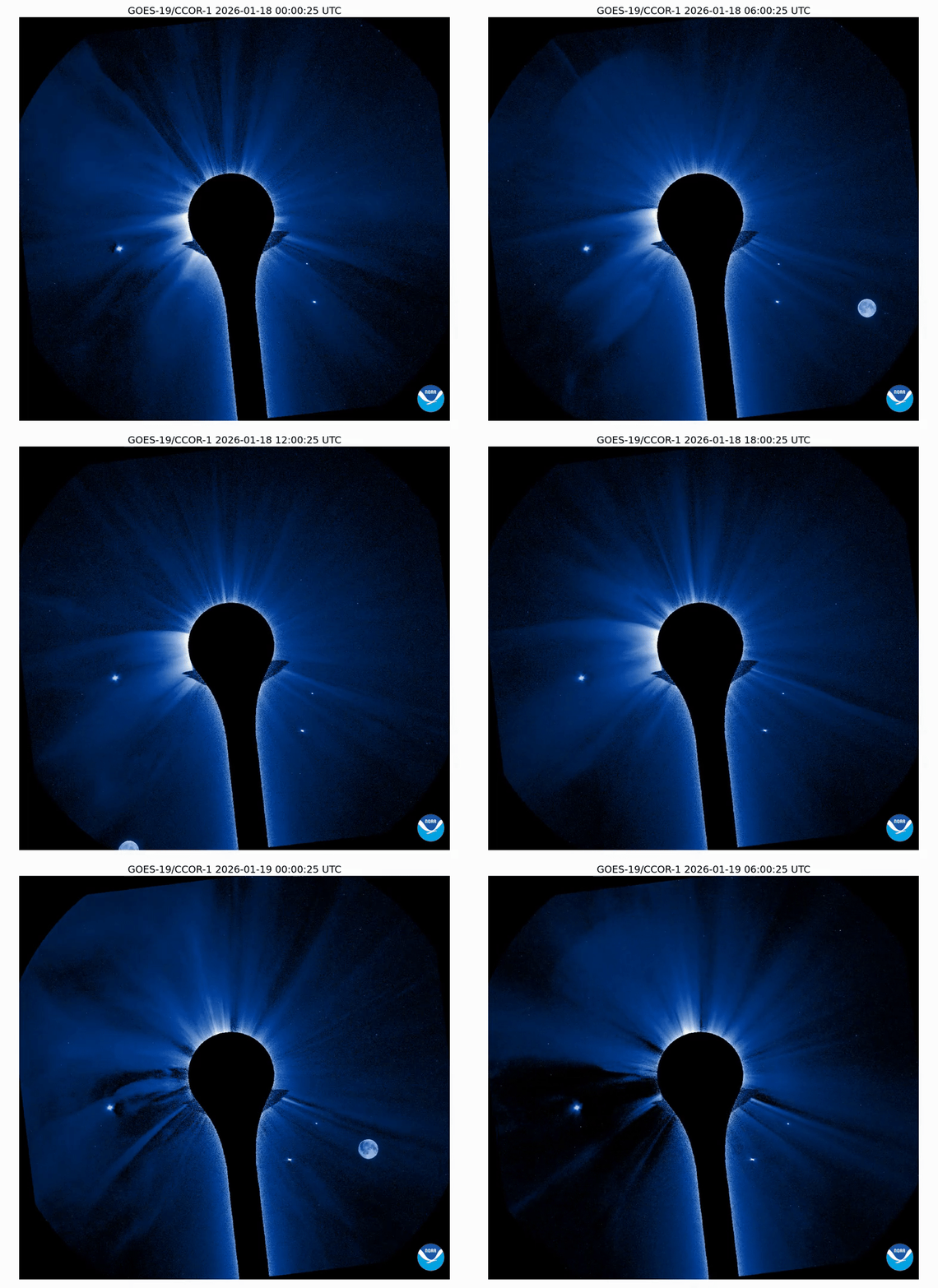
Did you see the auroras? Our satellites certainly had an eyeful as they watched a powerful coronal mass ejection (CME) erupting from the sun on Jan. 18, 2026.
Announcement
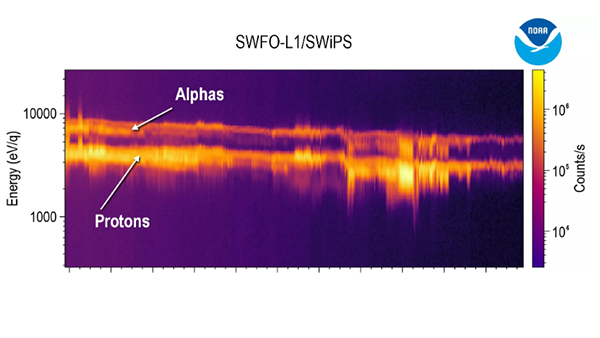
The Solar Wind Plasma Sensor (SWiPS) onboard the Space Weather Follow On – Lagrange 1 (SWFO-L1) observatory is now sending back data.
Announcement
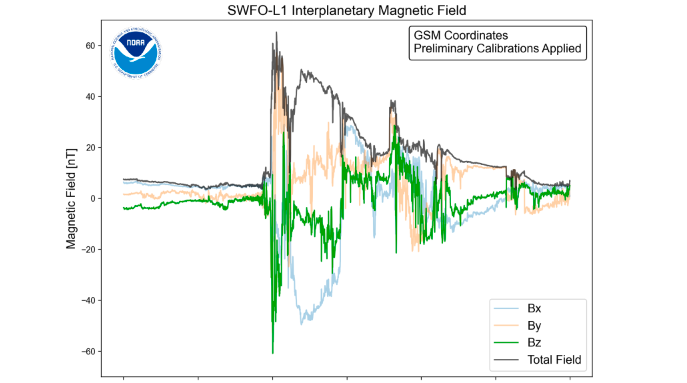
The Magnetometer (MAG) onboard the Space Weather Follow On – Lagrange 1 (SWFO-L1) observatory is performing well and has begun sending magnetic-field data back to Earth.
Announcement
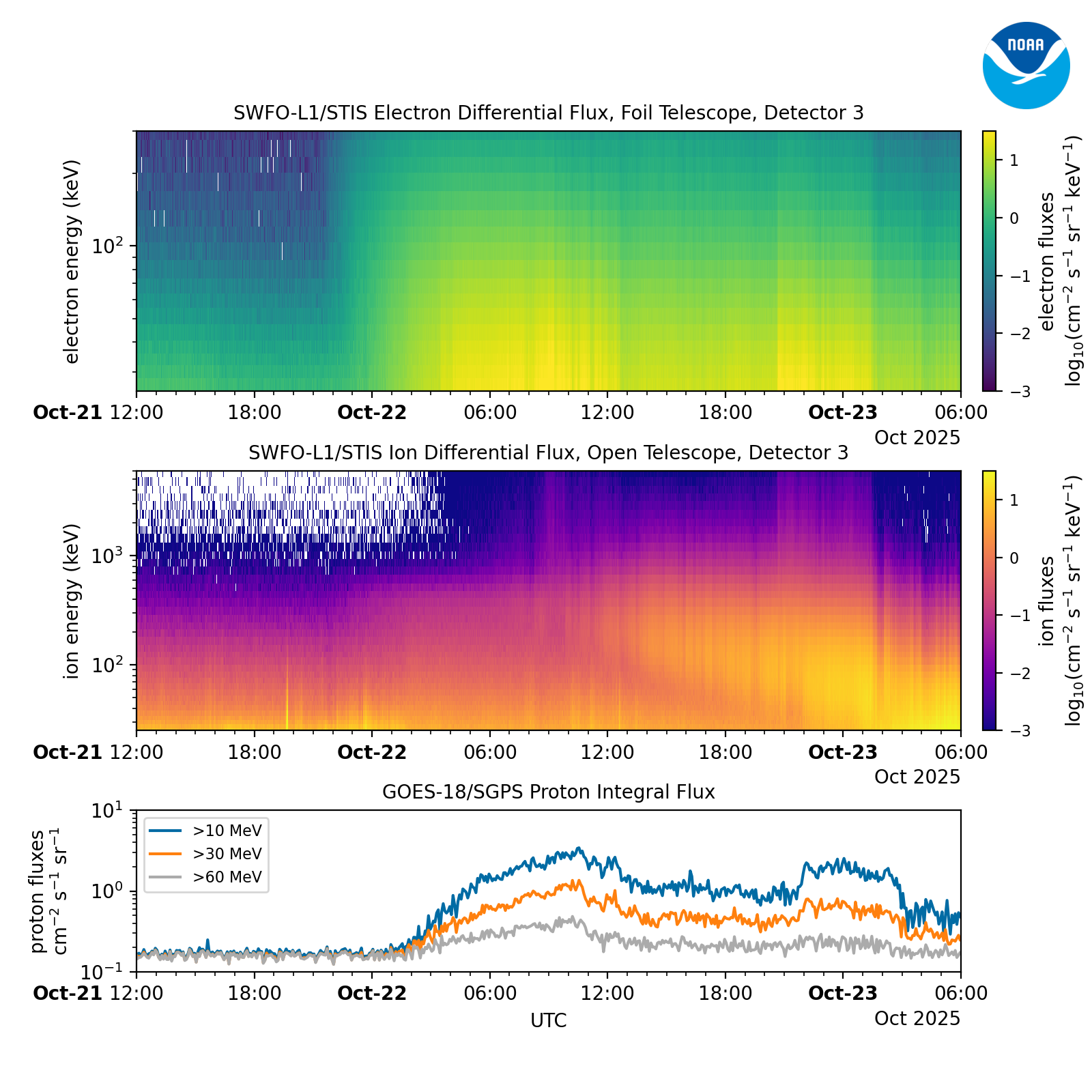
The Suprathermal Ion Sensor (STIS) onboard NOAA's Space Weather Follow On – Lagrange 1 (SWFO-L1) observatory, began sending particle measurements back to Earth on September 30, 2025.