


Satellite Snapshots
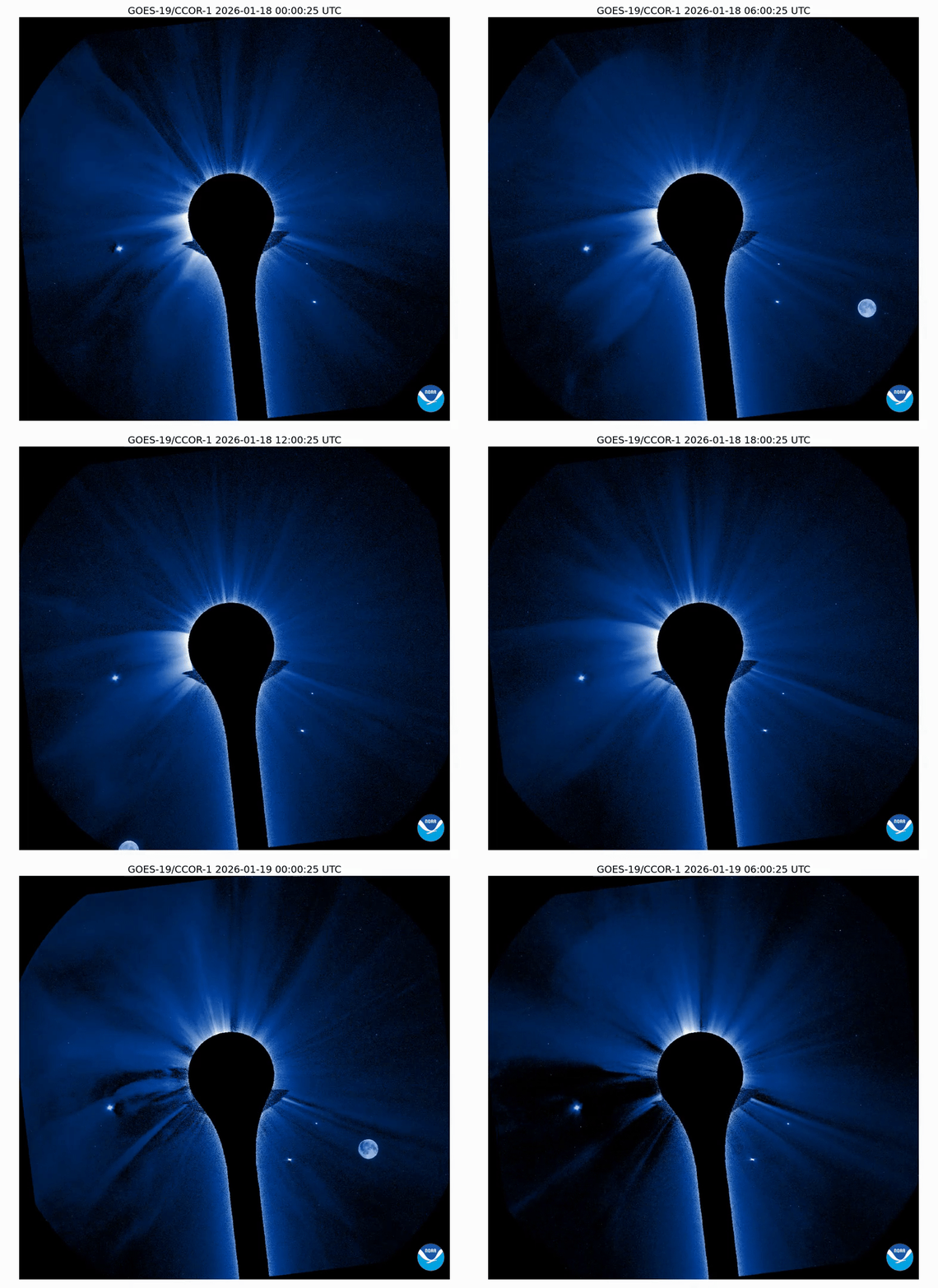
Did you see the auroras? Our satellites certainly had an eyeful as they watched a powerful coronal mass ejection (CME) erupting from the sun on Jan. 18, 2026.
Feature Story
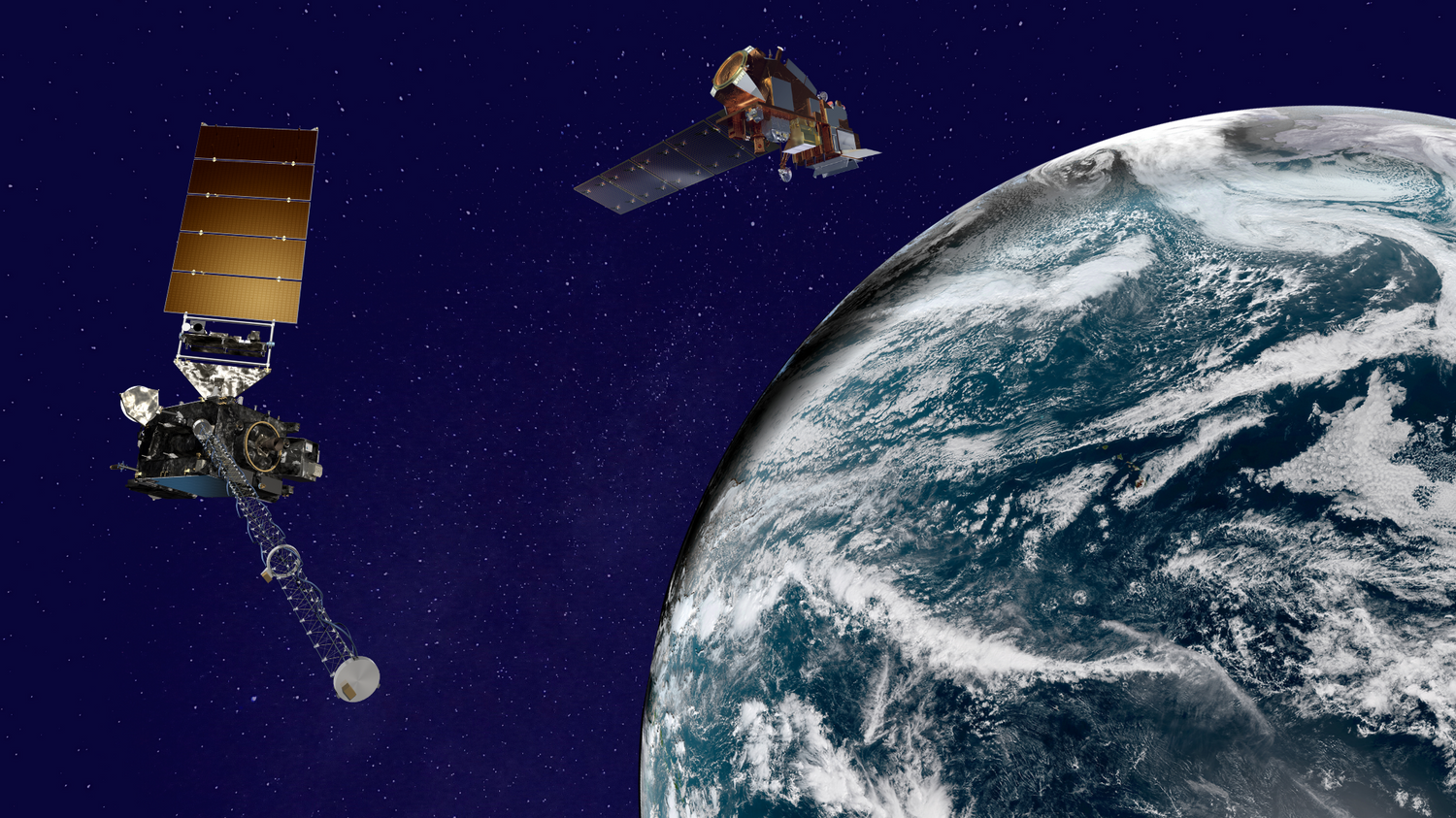
It was a busy – and successful – year for NOAA’s Satellite and Information Service. We celebrated 50 years of NOAA’s GOES satellites in 2025.
Satellite Snapshots
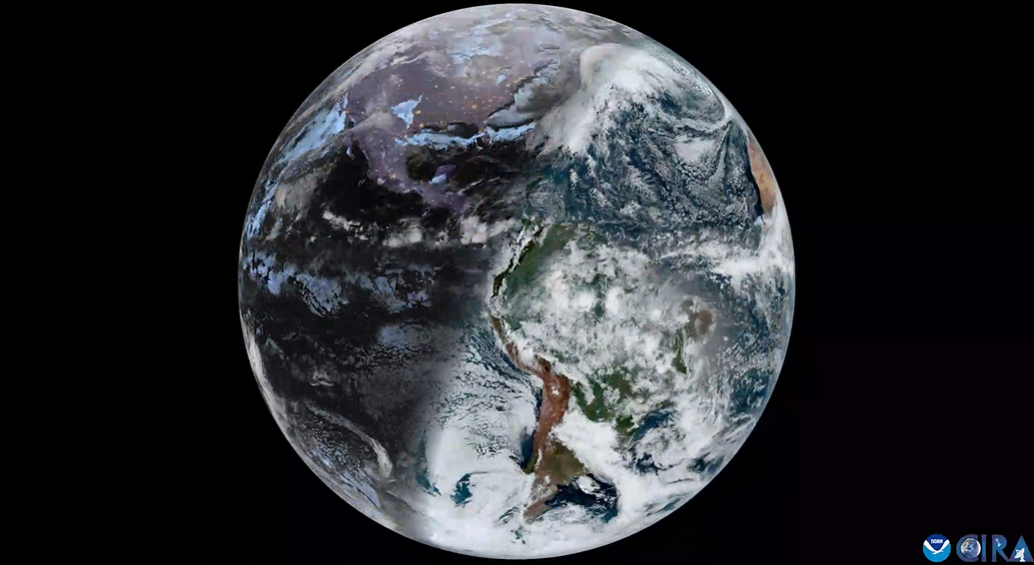
NOAA’s satellites allow us to see how Earth’s tilt drives changes in sunlight and seasons.
Feature Story
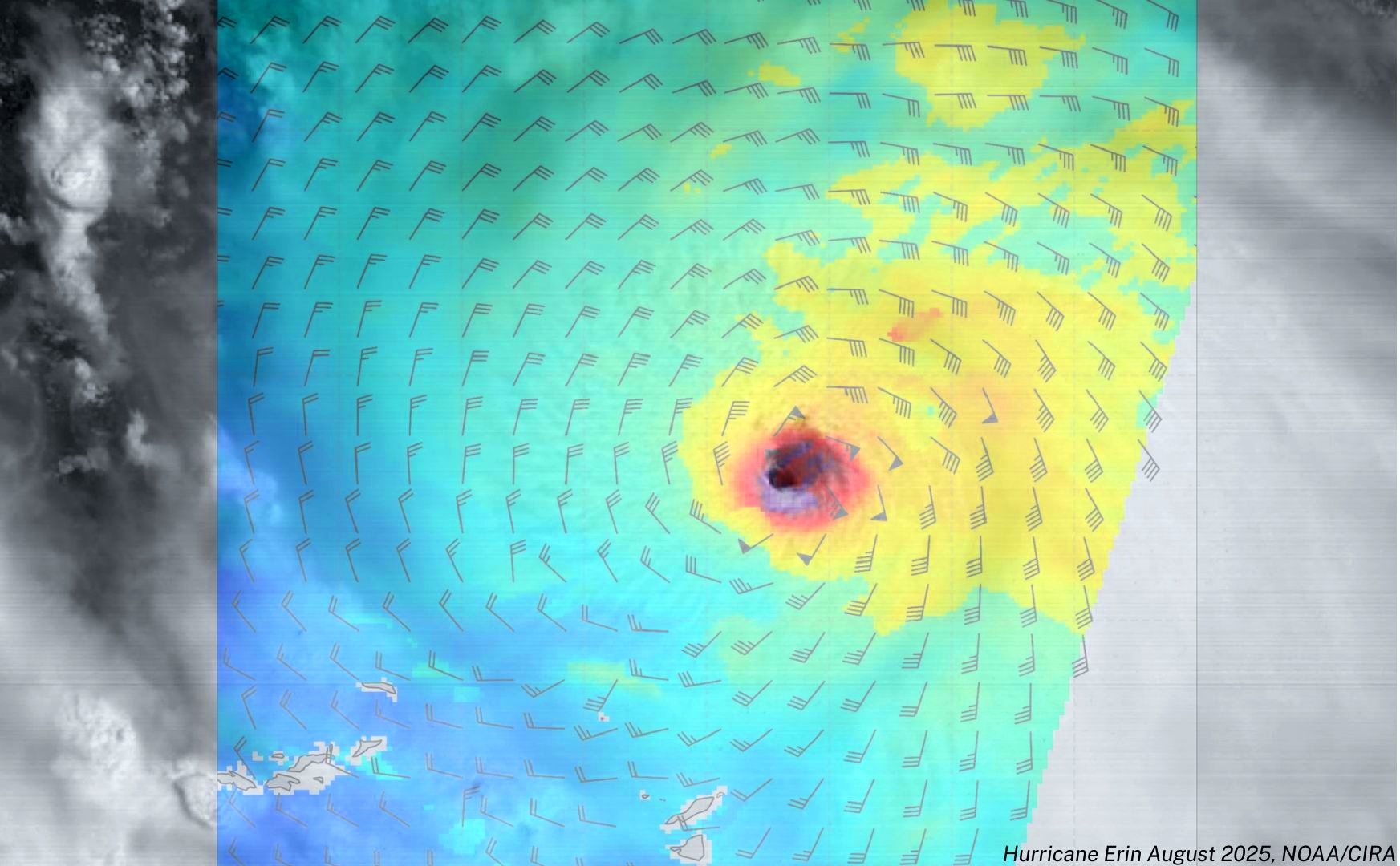
The ocean is a vast, interconnected system that covers about seventy percent of the Earth’s surface. Satellites are essential for observing this environment, supporting marine transportation, weather monitoring, and coastal safety.
Announcement

The Solar Wind Plasma Sensor (SWiPS) onboard the Space Weather Follow On – Lagrange 1 (SWFO-L1) observatory is now sending back data.
Announcement
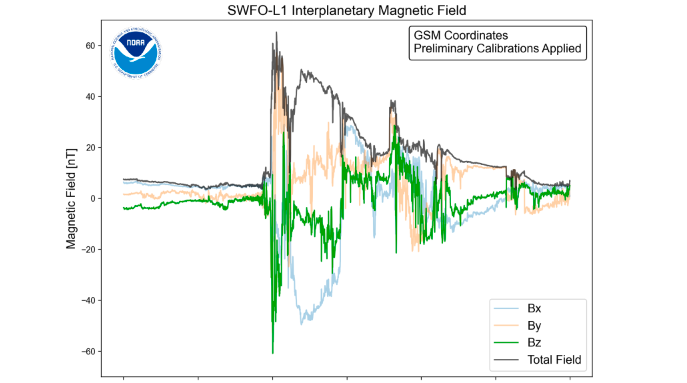
The Magnetometer (MAG) onboard the Space Weather Follow On – Lagrange 1 (SWFO-L1) observatory is performing well and has begun sending magnetic-field data back to Earth.
Feature Story
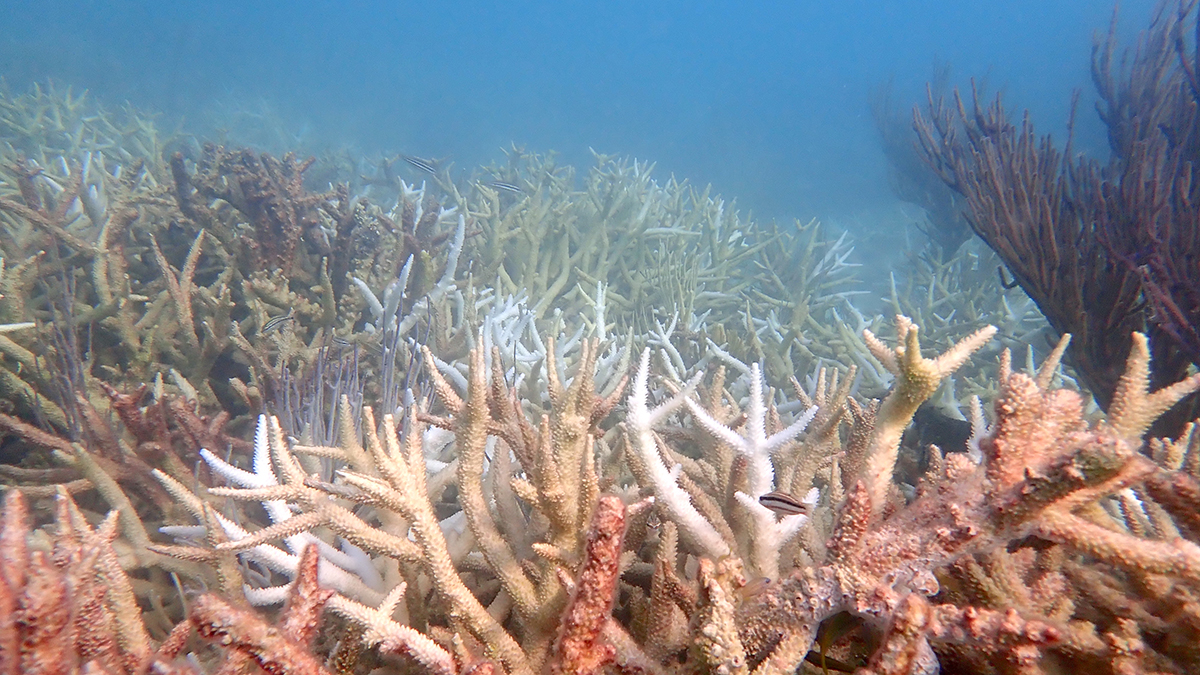
A NOAA-led study recently published in Science confirmed that a record marine heatwave in 2023 triggered the functional extinction of two coral species in Florida waters.
Announcement
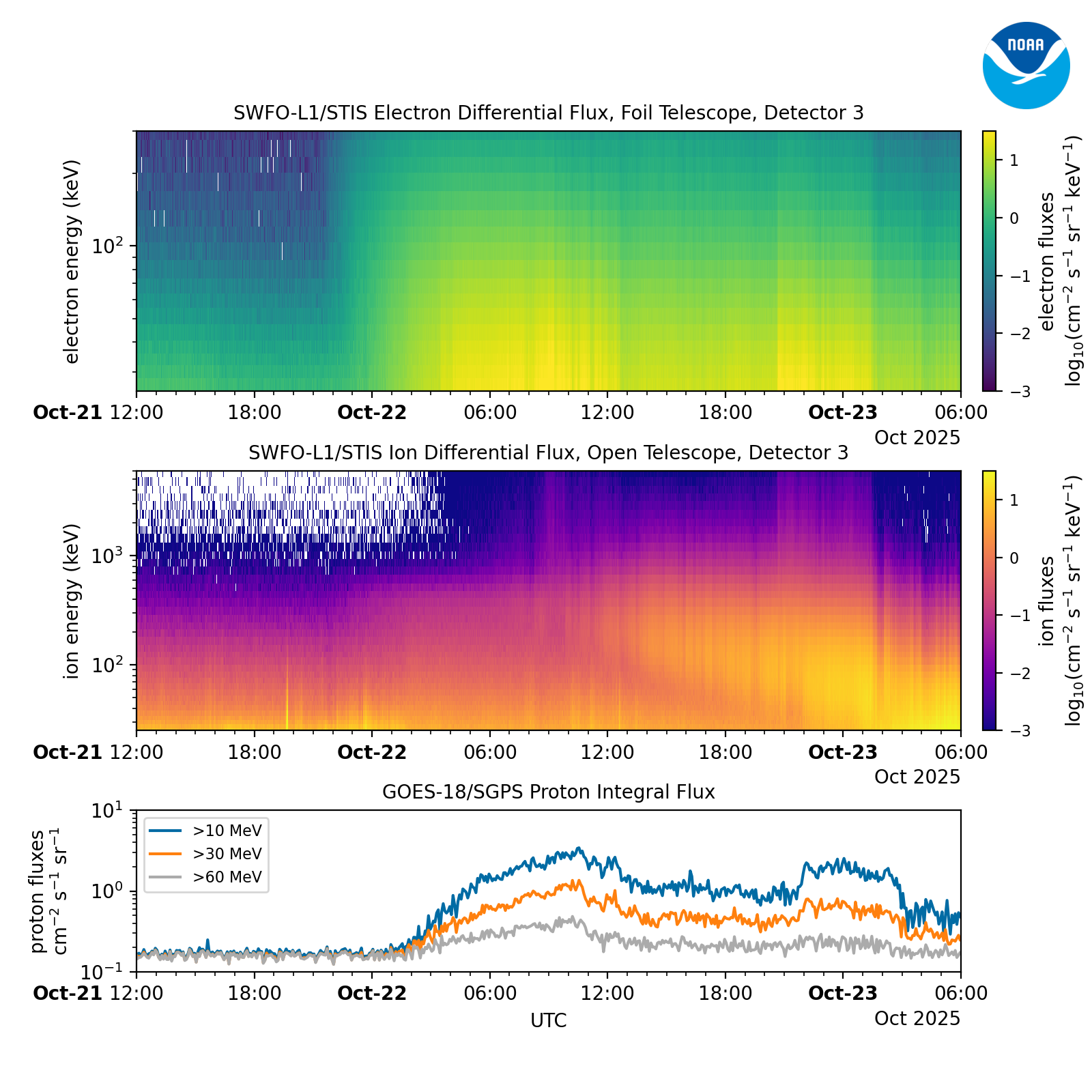
The Suprathermal Ion Sensor (STIS) onboard NOAA's Space Weather Follow On – Lagrange 1 (SWFO-L1) observatory, began sending particle measurements back to Earth on September 30, 2025.