


NESDIS education strives to provide educational material for teachers nationwide. Our goal is to help students understand the science behind satellite data and its impact on our world. Use the engaging educational resources, games, simulations, and videos below to help inspire the next generation of scientists.
Educational Resources Directory
Put simply, the Coriolis Effect makes things (like planes or currents of air) traveling long distances around Earth appear to move at a curve as opposed to a straight line.

Lake effect snow forms when cold, below-freezing air passes over a lake’s warmer waters. This causes some lake water to evaporate and warm the air. Then, the moist air moves away from the lake. After cooling, the air dumps its moisture on the ground, potentially becoming snow.

A seven-day forecast can accurately predict the weather about 80 percent of the time and a five-day forecast can accurately predict the weather approximately 90 percent of the time. However, a 10-day—or longer—forecast is only right about half the time.

Typhoon Haiyan was one of the largest and strongest typhoons ever recorded. It had winds that reached 195 miles per hour. Typhoons, like hurricanes, are powerful swirling cyclones.

Wildfires are uncontrolled fires that spread quickly, destroying homes and the environment nearby. Conditions in the weather and environment—such as drought, winds and extreme heat—can cause a fire to spread more quickly. NOAA weather satellites can provide information about these fires and conditions to help us stay safe.

Whoa! Things are looking pretty bad down there, but don't worry. I'm going to give weather forecasters a heads up and help you stay safe.

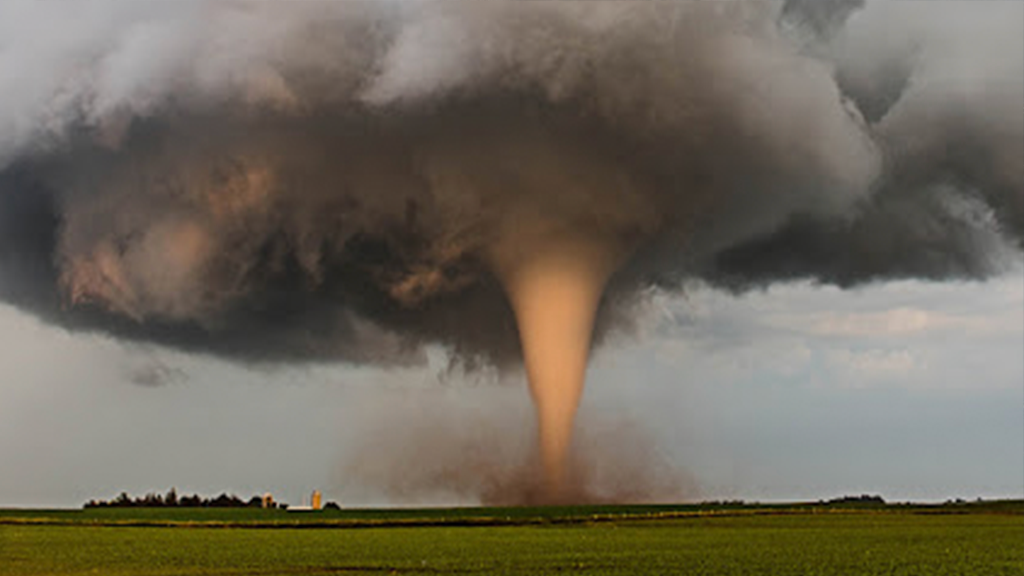
A tornado forms from a large thunderstorm. Inside thunderclouds, warm, humid air rises, while cool air falls--along with rain or hail. These conditions can cause spinning air currents inside the cloud. Although the spinning currents start out horizontal, they can turn vertical and drop down from the cloud--becoming a tornado.
As summer fades into fall, the days start getting shorter and there is less sunlight. This is a signal for the leaf to prepare for winter and to stop making chlorophyll. Once this happens, the green color starts to fade and the reds, oranges, and yellows become visible.
