


Events
Online (Hosted)
May 12, 2025
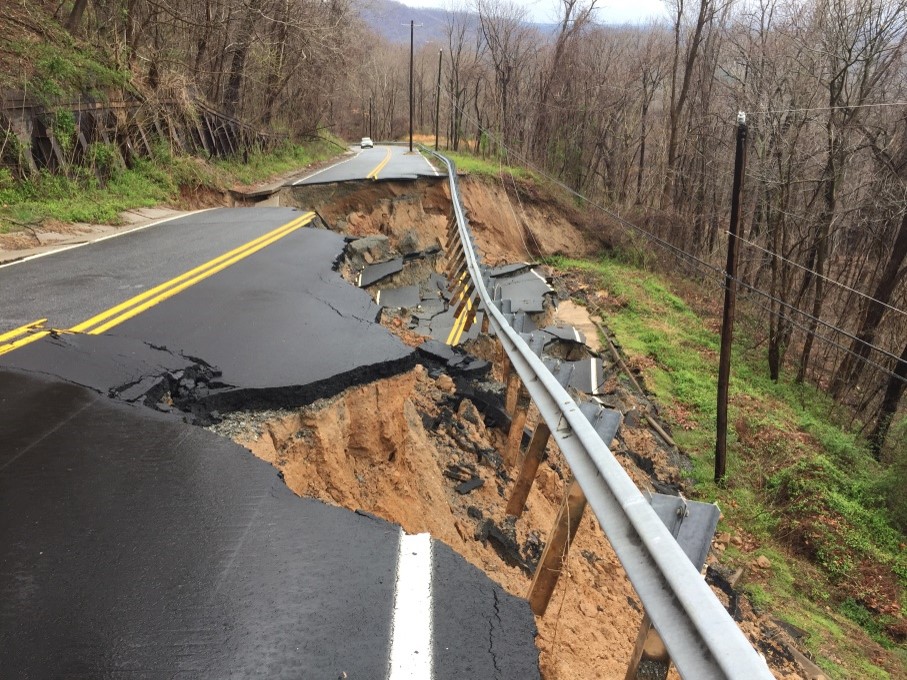
An on-the-ground perspective of the impact of Hurricane Helene on Asheville, North Carolina.
Online (Hosted)
Apr 21, 2025
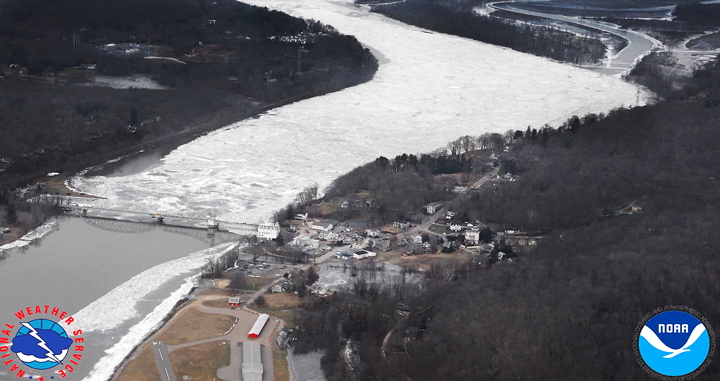
CRREL’s Ice Jam Program tracks river ice floods to aid planning, using diverse data to improve detection, records, and predictive risk models.
Online (Hosted)

Mar 17, 2025
An observing system simulation experiment includes data fusion, instrument and orbit simulators, weather states, and HPC to inform planetary boundary layer mission design.
Online (Hosted)
Feb 27, 2025
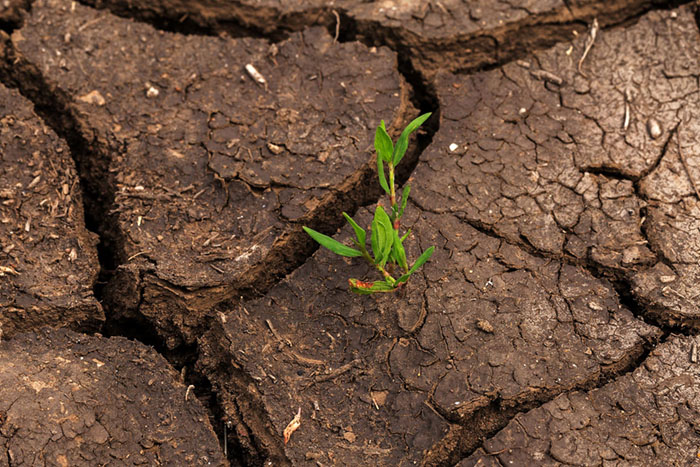
Satellite soil moisture observation is challenging, but GNSS-R, proven by NASA’s CYGNSS mission, is a cost-effective solution improvement.
Online (Hosted)

Jan 30, 2025
Satellite data reveal stronger Urban Heat Islands (UHIs) in cities with brighter nighttime lights, emphasizing the need for urban cooling strategies.
Online (Hosted)

Dec 16, 2024
The seminar summarizes the Alaska Next-Gen Satellite Meeting, highlighting findings, future strategies, and alignment with NOAA's regional goals.
In-Person (Hosted)

Jan 13, 2025
Please join us for a fun, informal evening of making connections with some of the leading professionals in our field. Whether you are currently on the job hunt, seeking advice about professional growth, or simply hoping to learn about possible career paths, this event is an excellent opportunity to expand both your knowledge base and your network of contacts. The format is exactly what the name suggests: with enough time to make a connection and learn something new, “mentees” will interact with rotating groups of “mentors” from a wide range of career and scientific backgrounds.
In-Person (Hosted)
Jan 12, 2025
Participants will learn about GOES-R and JPSS satellite product applications and models related to rainfall and flood events, and engage in hands-on exercises to investigate case studies using the products and models. At the end of the short course, participants will have developed an understanding of the satellite data and products pertaining to precipitation forecasting.