NESDIS education strives to provide educational material for teachers nationwide. Our goal is to help students understand the science behind satellite data and its impact on our world. Use the engaging educational resources, games, simulations, and videos below to help inspire the next generation of scientists.
Educational Resources Directory
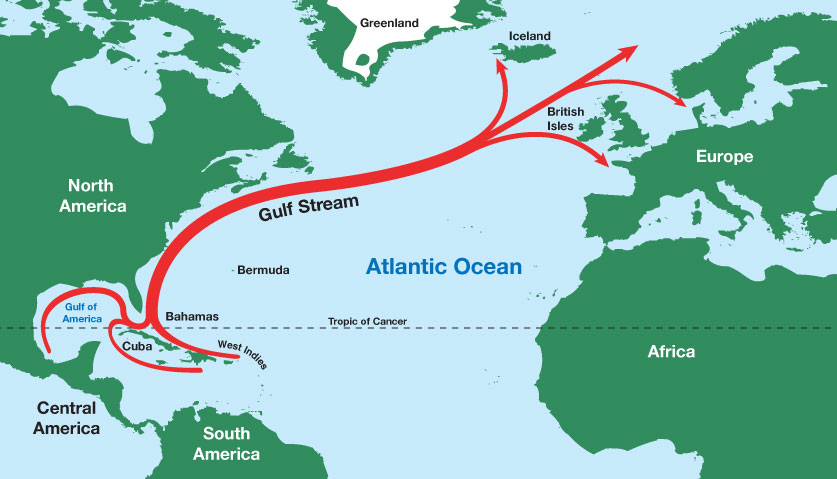
The Gulf Stream is a strong ocean current that brings warm water from the Gulf of America into the Atlantic Ocean. It extends all the way up the eastern coast of the United States and Canada.
La Niña is a weather pattern that occurs in the Pacific Ocean. In this pattern, strong winds blow warm water at the ocean’s surface from South America to Indonesia. As the warm water moves west, cold water from the deep rises to the surface near the coast of South America.
Storm surge is the unusual rise of water that happens during a big tropical storm. When the water rises, dangerous flooding can happen near the coast.
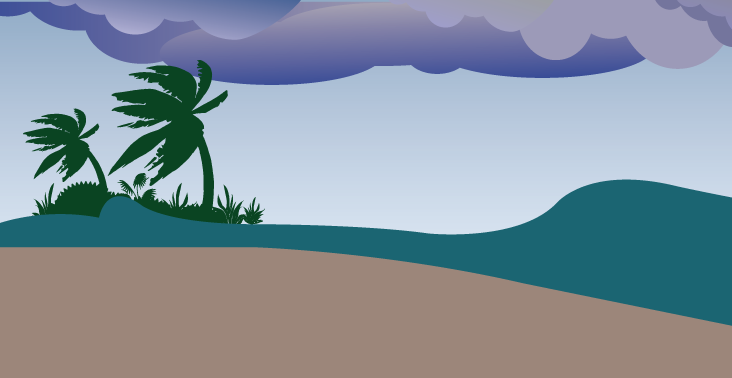
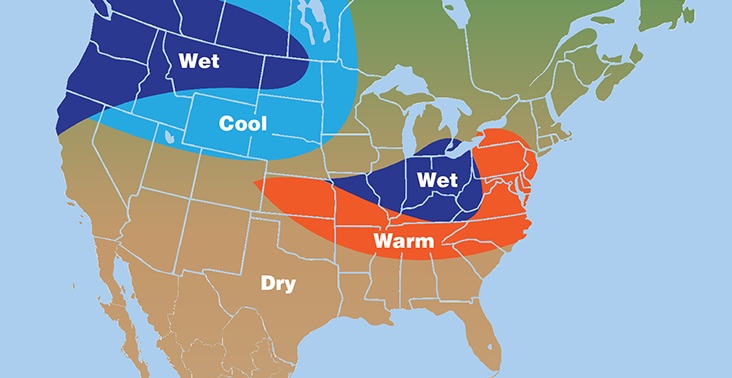
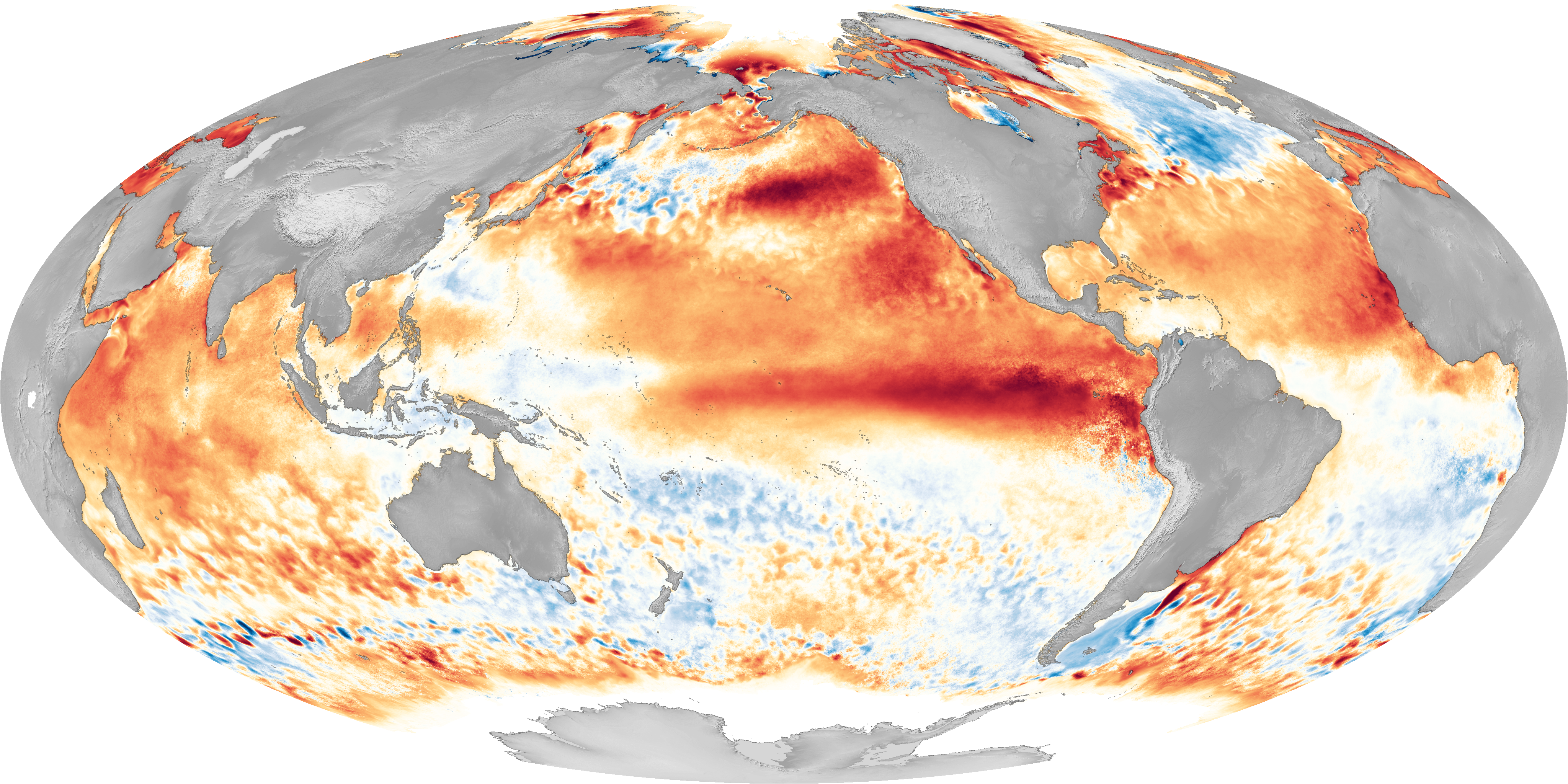
El Niño is a weather pattern that occurs in the Pacific Ocean. During this time, unusual winds cause warm surface water from the equator to move east, toward Central and South America. El Niño can cause more rain than usual in South and Central America and in the United States.
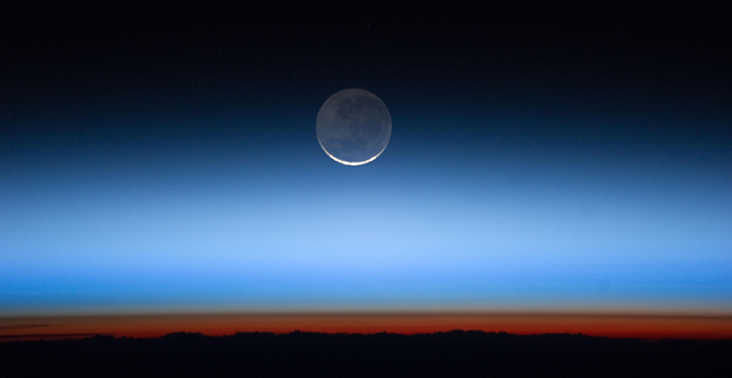
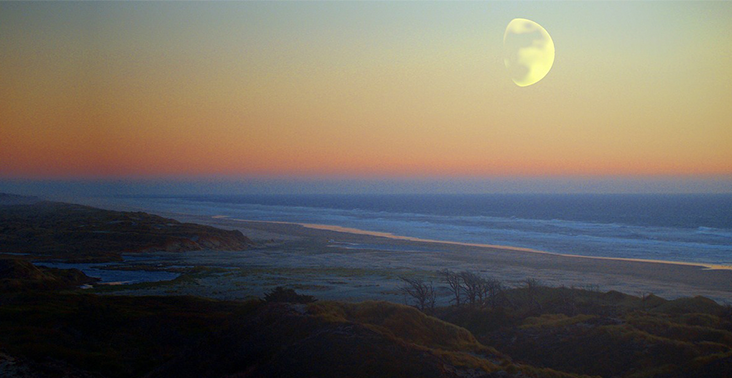
High and low tides are caused by the moon. The moon's gravitational pull generates something called the tidal force. The tidal force causes Earth—and its water—to bulge out on the side closest to the moon and the side farthest from the moon. These bulges of water are high tides.
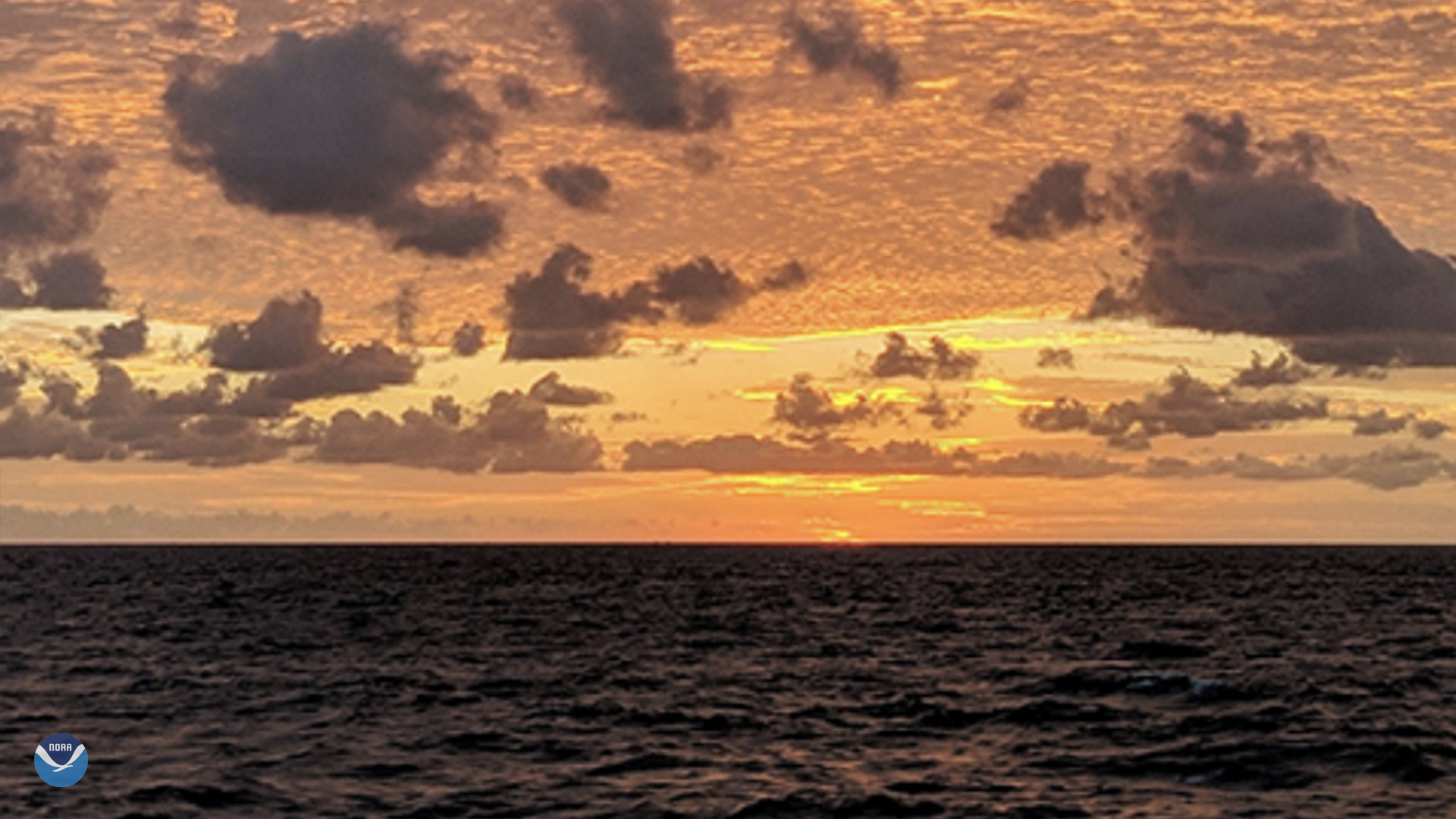
As Earth rotates through its 24-hour day, the moon makes progress in its 27.3-day journey around Earth. In 24 hours, the moon has moved enough so that it takes another 50 minutes for any specific point on Earth to catch up to the moon.
No one knows of any other planet where you can do this simple thing.