


NOAA’s latest generation of Geostationary Operational Environmental Satellites (GOES), known as the GOES-R Series, is the nation’s most advanced fleet of geostationary weather satellites.
Find out more about these satellites as well as the latest news below.
Introducing the GOES Satellites
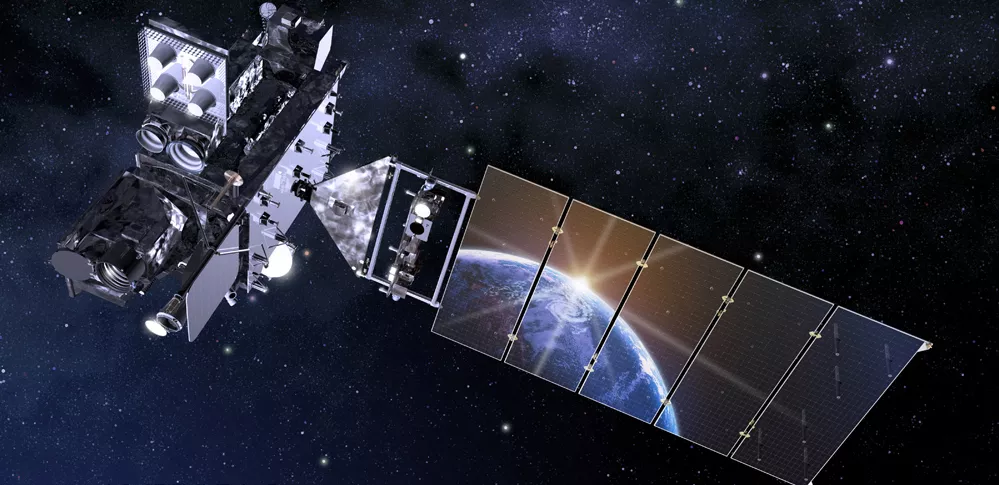
An introduction to NOAA's GOES-R Series Satellites - including GOES-R GOES-16 GOES East and GOES-S GOES-17 GOES West.
Introducing the GOES Series GOES 101
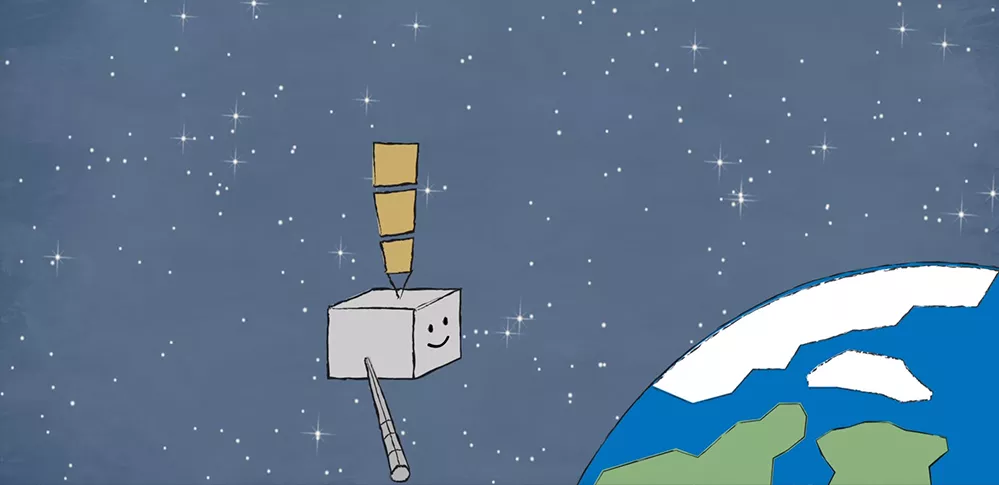
Satellite science is fun for kids too! From weather and hazards on Earth to search and rescue and bursts of energy from the sun, the GOES-R satellite will see it all from 22,000 miles above our planet!
Watch GOES-R Meet GOES-R
GOES News
-
Satellite Snapshots
NOAA GOESEast satellite imagery of Alberto also captured the lightning during landfall within the… -
Feature Story
NOAA GOES-17 satellite has transmitted its first Geostationary Lightning Mapper (GLM) data. -
Feature Story
Although GOES-17 has already traveled far, its journey to become a vital component of U.S. weather… -
Feature Story
In 2018, NOAA launches the GOES-S satellite, which takes its place in orbit as GOES-17. Working… -
Feature Story
GOES-S launched into space at 5:02 pm ET from Kennedy Space Center on March 1, 2018. -
Feature Story
NOAA GOES-S will travel to space aboard a ULA Atlas V 541 expendable launch vehicle, or rocket. -
Feature Story
Learn about the Advanced Baseline Imager (ABI), the primary instrument on the GOES-R Series for… -
Feature Story
Two new geostationary weather satellites will provide constant watch over the United States and the…