


Feature Story
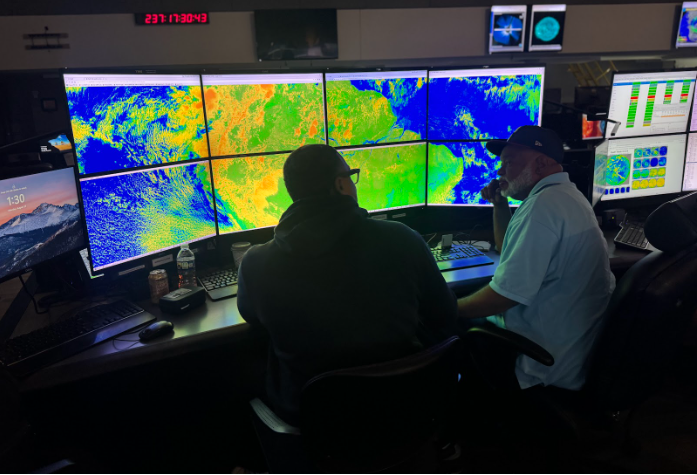
The Shift Begins Before Sunrise and Continues After Sunset: How NOAA Satellite Operators and Engineers Keep America Safe, Every Day of the Year
Feature Story

NOAA’s Space Weather Follow On - Lagrange 1 (SWFO-L1) observatory, the first NOAA satellite fully dedicated to continuous, operational space weather observations, has arrived in Florida in preparation for its Fall 2025 launch.
Feature Story
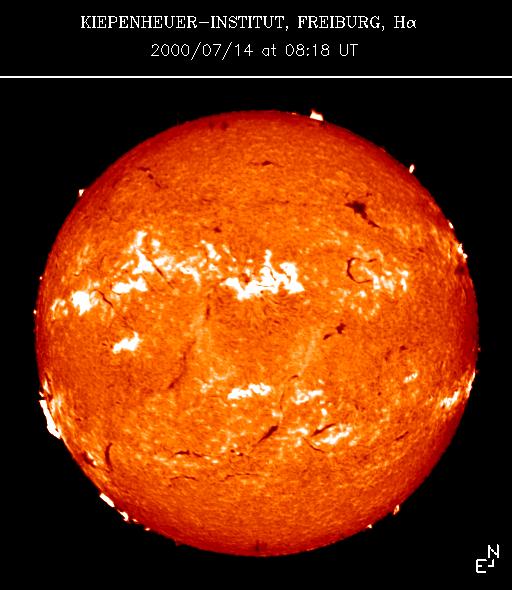
On July 14, 2000, one of the most powerful solar events of the space age erupted from the sun, which became known as the Bastille Day Solar Event.
Feature Story
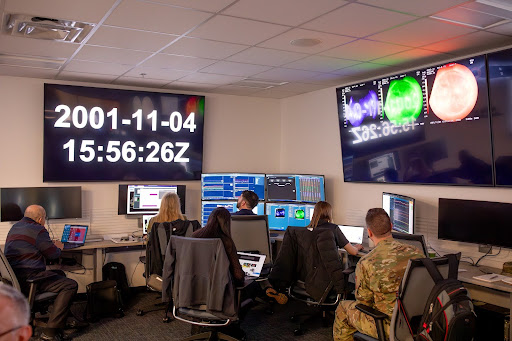
Human space exploration in the U.S. took another major step forward this spring in preparing for space weather risks.
Feature Story
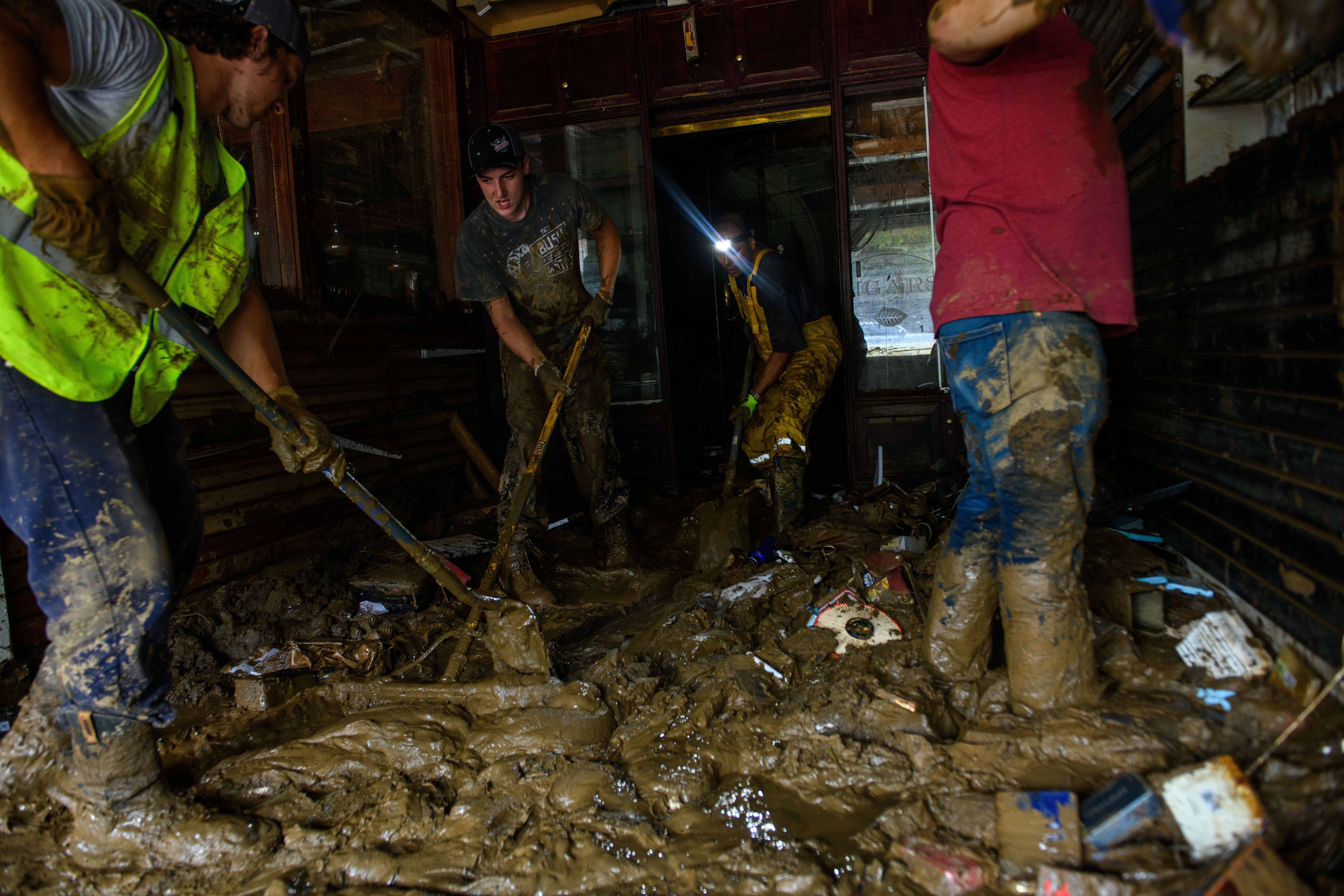
NOAA contributes 90% of the weather information used by the defense and intelligence communities. Satellites offer a view unrivaled by terrestrial technology.
Feature Story

The Johns Hopkins Applied Physics Laboratory (APL) has released the results of the nation’s first end-to-end Space Weather (SWx) Tabletop Exercise (TTX), which was held on May 8-9, 2024. The After Action Report is now available to the public.
Feature Story
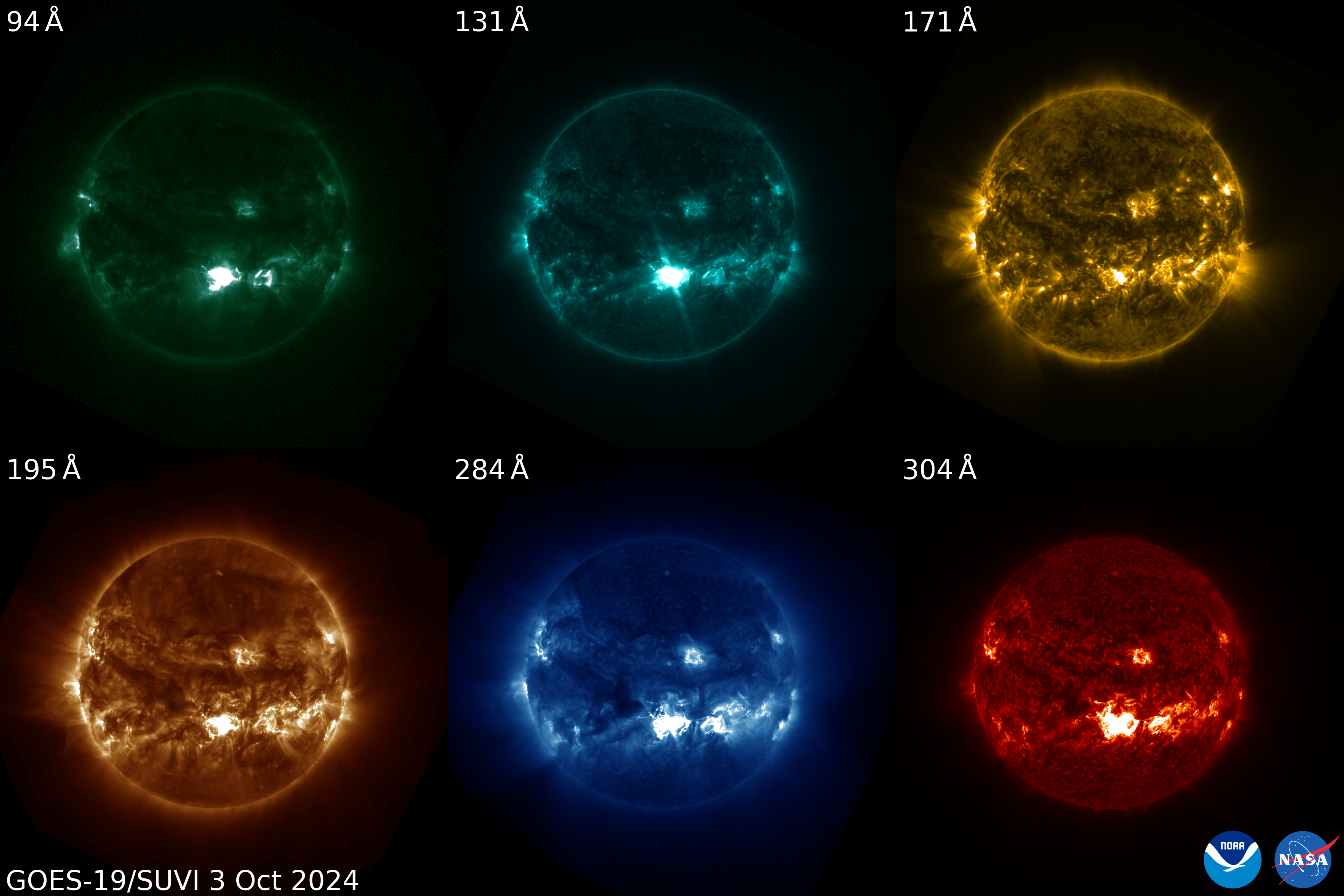
Here is a list of some of the most memorable solar events that have affected us here on Earth.
Feature Story
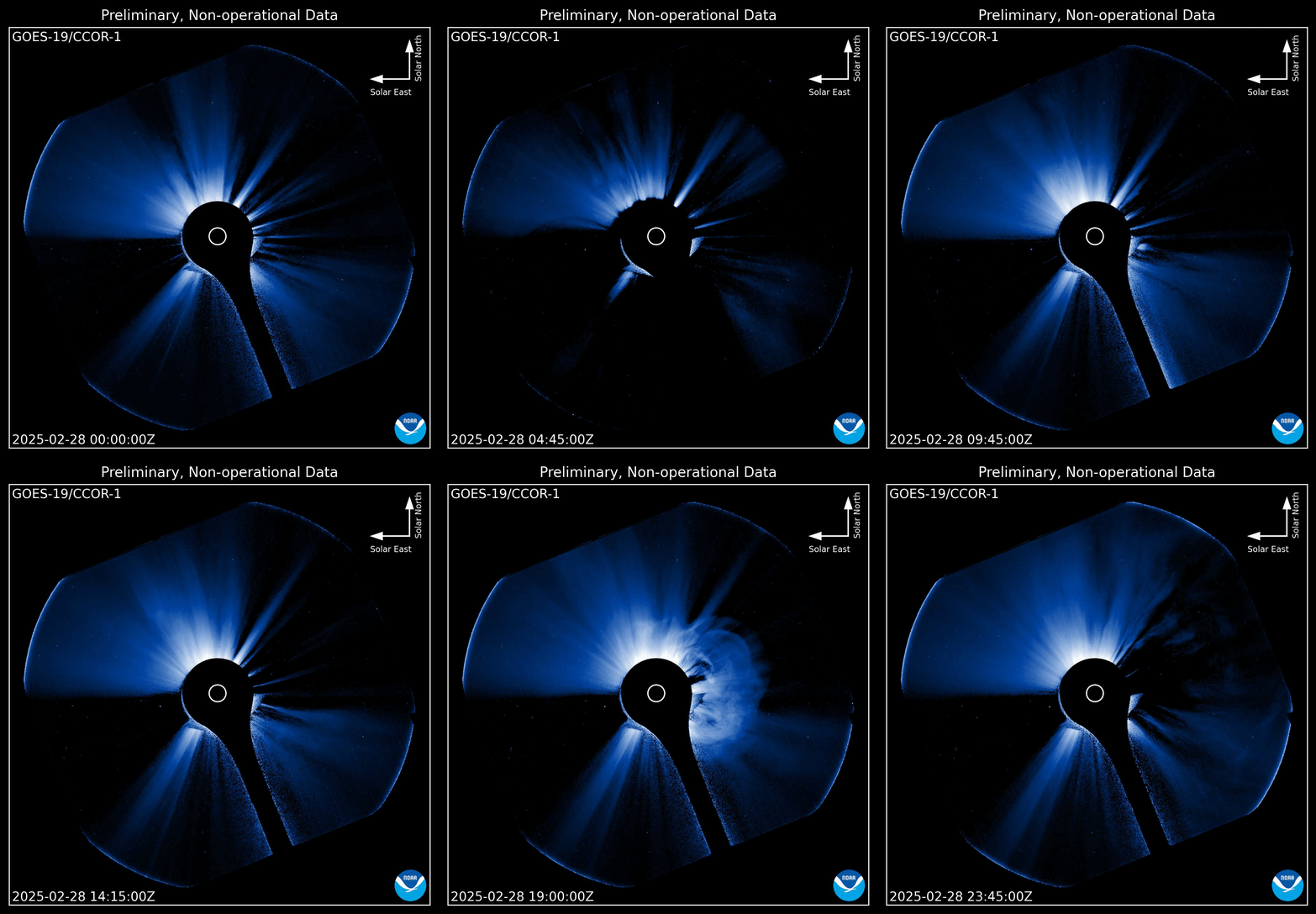
Near real-time preliminary data from NOAA’s first Compact Coronagraph (CCOR-1), a powerful solar telescope onboard the GOES-19 satellite, are now publicly accessible.